Which Year Toyota Prius is Best to Buy?
Contents
Which Year Toyota Prius is Best?
Introduction to the Toyota Prius
The Toyota Prius has long been a symbol of eco-friendly driving and fuel efficiency. Since its introduction in the late 1990s, it has gained a reputation as one of the most reliable hybrid vehicles on the market. Its unique design and hybrid technology have made it a popular choice among environmentally conscious consumers and those looking to save on fuel costs. However, not all model years are created equal, and knowing which year to choose can make a significant difference in your ownership experience.
Why Model Year Matters
When buying a used Toyota Prius, the model year is crucial for several reasons:
- Costly Repairs: Different model years have varying reliability ratings. Some years may be prone to specific issues that can lead to expensive repairs. Knowing which years have a history of problems can save you from unexpected costs down the road.
- Resale Value: Certain model years hold their value better than others. If you plan to resell your Prius in the future, choosing a model year with a strong resale market can maximize your investment.
- Features and Technology: As technology evolves, so do the features in the Prius. Some model years may offer superior safety features, infotainment systems, and fuel efficiency improvements that older models lack.
Common Reasons for Researching Model Years
Many prospective buyers search for the best year of the Toyota Prius due to a variety of concerns:
- Reliability: Buyers want a car that won’t leave them stranded or require constant repairs.
- Fuel Efficiency: While all Priuses are fuel-efficient, some years have better ratings than others.
- Comfort and Features: Buyers often look for the latest in comfort and technology, which can vary significantly by model year.
By focusing on these factors, you can make a more informed decision and find a Toyota Prius that meets your needs without the hassle of costly repairs or a plummeting resale value.
Best Years to Buy and Years to Avoid
Best Years to Buy the Toyota Prius
When it comes to selecting the best years for the Toyota Prius, a few stand out based on reliability, owner satisfaction, and overall performance. Here’s a breakdown of the model years that have received positive feedback from both mechanics and owners alike.
2010 Toyota Prius
The 2010 model year is often hailed as one of the best for the Prius. Here’s why:
- Improved Fuel Efficiency: This model introduced better aerodynamics and a more efficient hybrid system, achieving up to 51 MPG in the city and 48 MPG on the highway.
- Increased Interior Space: The 2010 Prius offered more room for passengers and cargo, making it a practical choice for families.
- Solid Reliability: This year received high marks for reliability, with fewer reported issues compared to other years.
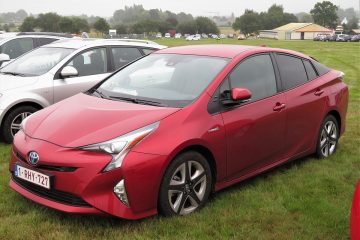
2016 Toyota Prius
The 2016 model marked a significant redesign, making it another great option:
- Modern Features: This model year came equipped with advanced safety features and technology, including adaptive cruise control and lane departure warning.
- Enhanced Performance: The 2016 Prius offers a peppy driving experience with improved handling and acceleration.
- Great Fuel Economy: It boasts an impressive 54 MPG city and 50 MPG highway, making it one of the most efficient models to date.
2019 Toyota Prius
The 2019 model continues the trend of reliability and efficiency:
- Updated Safety Tech: This year included Toyota’s Safety Sense suite, which features pre-collision systems and pedestrian detection.
- Comfortable Ride: The 2019 Prius offers a smooth and quiet ride, with a spacious interior that enhances passenger comfort.
- Good Resale Value: This model year holds its value well, making it a smart investment for future resale.
Years to Avoid (Worst Years)
While the Prius has a strong reputation, some model years have been less favorable due to various issues. Here are the years you might want to steer clear of:
2001 Toyota Prius
The very first generation of the Prius had its share of problems:
- Battery Issues: Many owners reported premature battery failure, leading to costly replacements.
- Performance Problems: The early models lacked the efficiency and performance improvements seen in later years.
- Limited Features: The technology and safety features were basic compared to modern standards.
2004 Toyota Prius
Although it was a step up from the 2001 model, the 2004 Prius still had notable flaws:
- Transmission Issues: Some owners experienced problems with the continuously variable transmission (CVT), leading to expensive repairs.
- Interior Quality: The materials used in the cabin were not as durable, leading to wear and tear over time.
2012 Toyota Prius
The 2012 model year is often criticized for several reasons:
- Oil Consumption: Many owners reported excessive oil consumption, which can lead to engine issues if not addressed.
- Brake Problems: Some drivers experienced issues with the braking system, including a soft brake pedal feel.
- Mixed Reliability Ratings: This year received lower reliability ratings compared to its predecessors and successors.
By focusing on the best and worst years of the Toyota Prius, you can make a more informed decision when purchasing a used model. Knowing which years to target or avoid can save you time, money, and frustration in the long run.
Facts About Which Year Toyota Prius is Best
Reliability Rankings
When considering the best year for the Toyota Prius, reliability is a key factor. Various automotive sources, including Consumer Reports and J.D. Power, have provided insights into the reliability of different model years. Here’s a summary of the findings:
- 2010 Prius: Consistently ranks high in reliability, often receiving a score of 4 out of 5 from Consumer Reports.
- 2016 Prius: This model year has received high marks for reliability, with J.D. Power rating it as one of the top hybrids in its class.
- 2019 Prius: Maintains a strong reliability rating, often cited for its minimal reported issues and high owner satisfaction.
Real Ownership Costs
Understanding the real ownership costs associated with different model years can also help you make an informed decision. Factors such as maintenance, fuel economy, and common repairs play a significant role in overall costs.
- 2010 Prius: Owners report average annual maintenance costs around $400, with minimal major repairs needed.
- 2016 Prius: Annual costs are similar, with many owners praising the low frequency of repairs.
- 2012 Prius: This year has higher reported repair costs due to oil consumption issues, averaging around $600 annually.
User Feedback & Forum Consensus
To provide a clearer picture of owner experiences, we’ve summarized feedback from various automotive forums and user reviews. Below is a table that captures common sentiments regarding different model years of the Toyota Prius.
| Model Year | Common Feedback |
|---|---|
| 2010 |
|
| 2016 |
|
| 2019 |
|
| 2001 |
|
| 2012 |
|
By examining reliability rankings, real ownership costs, and user feedback, you can gain valuable insights into which Toyota Prius model years are worth considering and which ones to avoid. This information can help you make a more informed decision when purchasing a used Prius.


0 Comments