Toyota Sienna Best and Worst Years Explained
Contents
Toyota Sienna: Best and Worst Years
Introduction to the Toyota Sienna
The Toyota Sienna has built a solid reputation as a reliable and versatile minivan. Known for its spacious interior, family-friendly features, and strong resale value, the Sienna has been a go-to choice for many families since its debut in 1997. Its design focuses on comfort and practicality, making it an ideal vehicle for parents on the go. However, like any vehicle, certain model years stand out for better or worse, and understanding these distinctions can save you time and money.
Why Model Year Matters
When considering a used Toyota Sienna, the model year is crucial for several reasons:
- Costly Repairs: Some model years are notorious for specific issues that can lead to expensive repairs. Knowing which years to avoid can help you dodge these financial pitfalls.
- Resale Value: Certain years maintain their value better than others. If you’re looking to sell or trade-in down the line, understanding which models are more desirable can impact your investment.
- Features and Upgrades: Over the years, the Sienna has seen various upgrades in technology, safety, and comfort. Knowing which model years offer the best features for your needs can enhance your driving experience.
Common Reasons for Researching Best and Worst Years
Many potential buyers search for the best and worst years of the Toyota Sienna due to:
- Reliability Concerns: Buyers want to ensure they are investing in a vehicle that won’t leave them stranded or require frequent repairs.
- Family Safety: While safety ratings are essential, certain years may have recalls or issues that could affect your family’s well-being.
- Budget Constraints: Understanding which years offer the best value for the price can help buyers make informed financial decisions.
In summary, knowing the best and worst years of the Toyota Sienna can significantly influence your purchasing decision, helping you avoid costly mistakes and ensuring you get the most out of your investment.
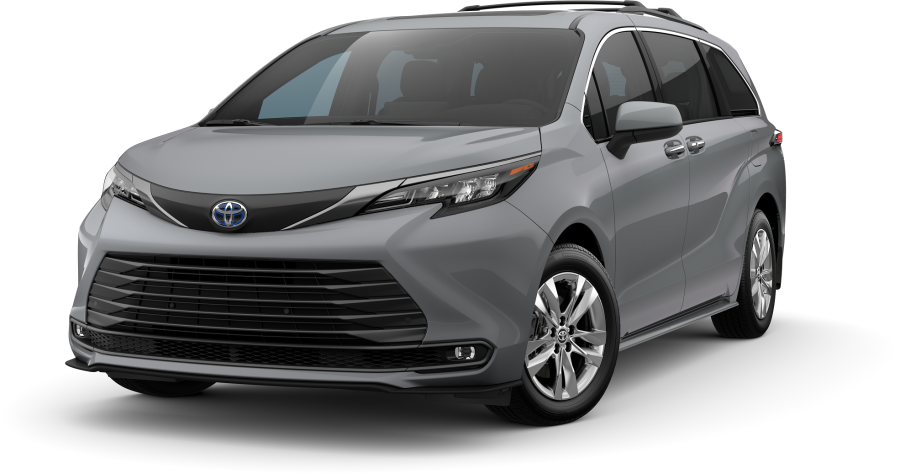
Best Years to Buy and Years to Avoid (Worst Years)
Best Years to Buy the Toyota Sienna
When it comes to the Toyota Sienna, certain model years have proven to be more reliable and user-friendly than others. Here are some of the best years to consider when shopping for a used Sienna:
2011 Toyota Sienna
The 2011 model year is often praised for its spacious interior and smooth ride. It features a powerful V6 engine and a well-designed cabin that includes ample storage options. Owners have reported fewer mechanical issues compared to other years, making it a solid choice for families.
- Pros: Excellent reliability ratings, comfortable seating for up to eight, and good fuel economy for its class.
- Cons: Some users note that the infotainment system can be a bit outdated.
2014 Toyota Sienna
The 2014 Sienna is another standout year, offering a blend of comfort, technology, and safety features. This model includes advanced safety options such as a rearview camera and blind-spot monitoring, which are crucial for family vehicles.
- Pros: High safety ratings, spacious third row, and a user-friendly infotainment system.
- Cons: Some complaints about road noise at higher speeds.
2018 Toyota Sienna
The 2018 model year is known for its modern design and upgraded technology. It comes with a suite of safety features and a powerful V6 engine that provides a smooth driving experience. This model also received high marks for its reliability.

- Pros: Strong performance, advanced safety features, and a comfortable ride.
- Cons: Higher price point compared to older models.
Years to Avoid (Worst Years)
While the Sienna has many great years, some should be approached with caution. Here are the years to avoid if you’re looking for a used Sienna:
2004 Toyota Sienna
The 2004 model year is often cited for its numerous issues, particularly with the transmission. Many owners reported problems that led to costly repairs, making this year a risky investment.
- Cons: Frequent transmission failures, electrical issues, and lower overall reliability ratings.
2007 Toyota Sienna
The 2007 Sienna has also garnered a reputation for problems, especially concerning the engine and brakes. Many users have reported premature wear on brake components, leading to safety concerns.
- Cons: Engine problems, brake issues, and higher maintenance costs.
2010 Toyota Sienna
The 2010 model year had its share of complaints, particularly regarding the sliding doors and electrical systems. Owners have noted that these issues can lead to significant repair costs.
- Cons: Problems with sliding doors, electrical malfunctions, and inconsistent build quality.
Final Thoughts on Best and Worst Years
Knowing the best and worst years of the Toyota Sienna can help you make an informed decision when purchasing a used vehicle. By focusing on reliable models and steering clear of those with known issues, you can ensure a smoother ownership experience.
Facts About Toyota Sienna Best and Worst Years
Reliability Rankings
When it comes to reliability, the Toyota Sienna consistently ranks well among minivans. According to sources like J.D. Power and Consumer Reports, certain model years stand out for their dependability. Here’s a breakdown of how the best and worst years compare:
- Best Years:
- 2011: Ranked among the top minivans for reliability.
- 2014: Received high marks for owner satisfaction and low repair frequency.
- 2018: Noted for its strong performance and reliability ratings.
- Worst Years:
- 2004: Frequently reported transmission issues, leading to low reliability scores.
- 2007: Known for engine and brake problems, affecting overall reliability rankings.
- 2010: Common complaints about electrical systems and sliding doors.
Real Ownership Costs
Understanding real ownership costs is crucial when considering a used vehicle. The best years tend to have lower maintenance and repair costs, while the worst years can lead to unexpected expenses. Here’s a summary based on user feedback and forum consensus:
| Model Year | Average Annual Maintenance Cost | Common Issues Reported | User Feedback Summary |
|---|---|---|---|
| 2011 | $400 | None significant | Owners praise reliability and comfort. |
| 2014 | $450 | Minor electrical issues | Highly rated for safety features and family-friendly design. |
| 2018 | $500 | Some infotainment glitches | Users love the modern features and spaciousness. |
| 2004 | $800 | Transmission failures | Many owners express frustration over repair costs. |
| 2007 | $750 | Engine and brake issues | Commonly reported as problematic and costly to maintain. |
| 2010 | $700 | Electrical problems | Users report dissatisfaction with reliability. |
User Feedback & Forum Consensus
Owner feedback on forums often highlights specific experiences with different model years. Here’s a summary of what users commonly say:
- Best Years:
- 2011: “Best family vehicle we’ve owned. No major issues.”
- 2014: “Great safety features, and the kids love the space!”
- 2018: “Modern and reliable. Worth every penny.”
- Worst Years:
- 2004: “Transmission went out at 100k miles. Cost me a fortune.”
- 2007: “Brakes wore out too quickly. Not happy with this model.”
- 2010: “Electrical problems made it unreliable. Would not recommend.”
This information can help prospective buyers make informed decisions based on real-world experiences and statistical data.
0 Comments