Toyota Prius Best Years: A Comprehensive Guide
Contents
Toyota Prius: Best Years Overview
The Toyota Prius has long been a staple in the hybrid vehicle market. Known for its fuel efficiency and eco-friendly design, the Prius has garnered a reputation as a reliable choice for those looking to reduce their carbon footprint while saving on gas. Since its introduction in the late 1990s, the Prius has evolved through several generations, each bringing improvements in technology, comfort, and performance.
Why Model Year Matters
When considering a used Toyota Prius, the model year can significantly impact your ownership experience. Here are some reasons why:
- Costly Repairs: Different model years may have varying reliability records. Some years are notorious for specific issues that can lead to expensive repairs. Knowing which years to avoid can save you a lot of money.
- Resale Value: Certain model years hold their value better than others. If you plan to sell your Prius in the future, it’s wise to choose a year that is known for good resale value.
- Features and Technology: Newer models often come equipped with advanced technology and safety features that older models lack. If these features are important to you, the model year will be a crucial factor.
Common Reasons for Researching Best Years
Many potential buyers search for the best years of the Toyota Prius for several reasons:
- Reliability: Buyers want to know which years have the best track record for reliability to avoid unexpected breakdowns.
- Fuel Economy: While all Priuses are fuel-efficient, some model years outperform others, making them more desirable.
- Comfort and Features: As the Prius has evolved, so have its comfort levels and features. Buyers often look for years that provide the best balance of comfort and efficiency.
In summary, knowing the best years for the Toyota Prius can guide you in making an informed decision when purchasing a used vehicle. Whether you’re looking to save on repairs, maximize resale value, or enjoy the latest features, understanding the model year is essential.
Best Years to Buy and Years to Avoid
When it comes to the Toyota Prius, not all model years are created equal. Some years stand out as excellent choices for used buyers, while others should be approached with caution. This section will break down the best years to buy a Prius and highlight the years you might want to avoid.
Best Years to Buy
If you’re in the market for a used Toyota Prius, consider focusing on the following model years, which have received positive reviews from both owners and mechanics alike.
2010-2015: The Third Generation
- Reliability: The 2010-2015 models are known for their reliability. Many owners report minimal issues and long-lasting performance.
- Fuel Efficiency: These years boast impressive fuel economy, often achieving over 50 mpg combined, making them a smart choice for budget-conscious drivers.
- Comfort and Features: With improvements in interior quality and technology, these models offer a more comfortable ride and better features compared to earlier generations.
2016-2019: The Fourth Generation
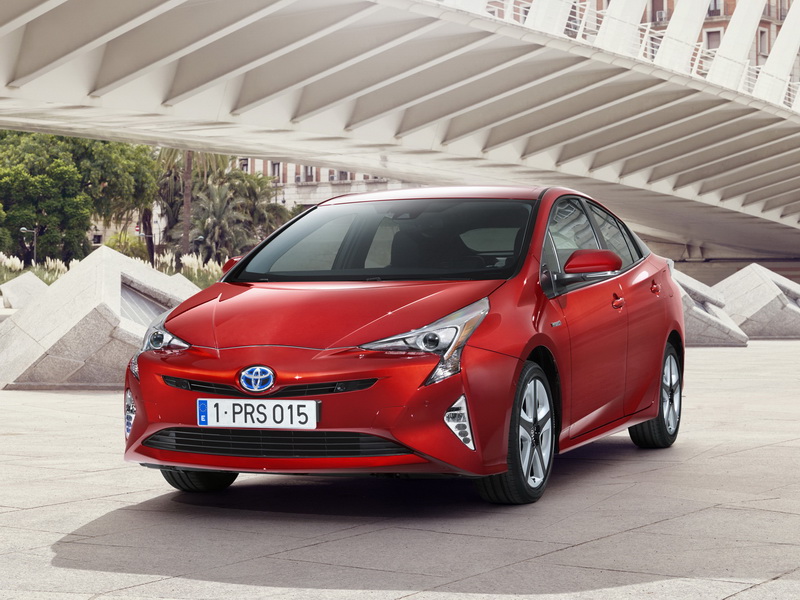
- Advanced Technology: The 2016 model introduced a more refined design and advanced safety features, making it a great option for tech-savvy buyers.
- Improved Handling: The handling and ride quality saw significant improvements in this generation, providing a more enjoyable driving experience.
- Resale Value: These models tend to hold their value well, making them a smart investment for future resale.
Years to Avoid
While the Prius has many great years, some models have garnered negative feedback and should be approached with caution.
2001-2003: The First Generation
- Performance Issues: Early models often faced performance issues, including problems with the battery and hybrid system.
- Limited Features: These models lack many of the modern conveniences and safety features found in later generations, making them feel outdated.
- Lower Resale Value: Due to their age and reliability concerns, these models typically have lower resale values, making them less appealing for buyers.
2004-2009: The Second Generation
- Battery Problems: The 2004-2009 models had a reputation for battery issues, which can lead to costly repairs.
- Less Fuel Efficiency: While still efficient, these models do not achieve the same fuel economy as later generations, which can be a dealbreaker for some buyers.
- Interior Quality: The interior design and materials used in these years are often considered subpar compared to newer models, affecting overall comfort.
2010-2012: Early Third Generation
- Software Glitches: Some owners reported software issues that affected the hybrid system, leading to unexpected performance problems.
- Brake Problems: There were complaints about braking performance, which can be a significant safety concern.
- Recalls: These models had several recalls, so it’s essential to check if the necessary repairs were made before purchasing.
In summary, when considering a used Toyota Prius, focusing on the best years can save you from headaches and expenses down the road. Avoiding the problematic years will help ensure that you get a reliable, efficient vehicle that meets your needs.
Facts About Toyota Prius Best Years
When evaluating the best years for the Toyota Prius, it’s essential to look at factual data and real-world owner experiences. This section will provide insights based on reliability rankings, ownership costs, and user feedback from various forums.
Reliability Rankings
The Toyota Prius consistently ranks high in reliability among hybrid vehicles. According to sources like Consumer Reports and J.D. Power, the following years stand out:

- 2010-2015: These models received high reliability ratings, often scoring above average in owner satisfaction surveys.
- 2016-2019: The fourth generation also maintained high reliability scores, with many owners reporting fewer issues compared to earlier models.
Statistical Insights
– According to J.D. Power, the 2016 Prius was rated with a score of 85 out of 100 for reliability.
– Consumer Reports consistently lists the Prius among the top vehicles in its class for reliability, with a score of 4 out of 5 for the 2010-2015 models.
– RepairPal rates the Prius as one of the most reliable vehicles, with an average annual repair cost of around $400, which is lower than the average for all vehicles.
Real Ownership Costs
Understanding the real ownership costs can help potential buyers make informed decisions. The following aspects are commonly discussed by owners in forums:
- Fuel Economy: Owners frequently report achieving over 50 mpg, leading to significant savings on fuel costs.
- Maintenance Costs: Many users note that routine maintenance is relatively inexpensive, contributing to lower overall ownership costs.
- Resale Value: The Prius tends to hold its value well, especially the 2016-2019 models, which can be beneficial for future resale.
User Feedback & Forum Consensus
To summarize what owners commonly say in forums, the following table highlights key points mentioned by Prius owners:
| Aspect | Owner Feedback |
|---|---|
| Fuel Efficiency | Most owners report excellent fuel economy, often exceeding 50 mpg. |
| Reliability | High reliability ratings; many owners have driven over 200,000 miles with minimal issues. |
| Maintenance | Routine maintenance is affordable; owners appreciate low repair costs. |
| Comfort | Mixed reviews; newer models are generally considered more comfortable than older ones. |
| Technology | Owners love the tech features in the 2016 and later models, especially safety enhancements. |
| Interior Quality | Some owners feel that earlier models have lower quality interiors compared to newer ones. |
In summary, the Toyota Prius has established itself as a reliable and economical choice among hybrid vehicles. By considering reliability rankings, real ownership costs, and user feedback, you can make a more informed decision when looking for the best years to buy a Prius.



0 Comments