What Year Toyota Prius is the Best Choice?
Contents
What Year Toyota Prius is the Best?
The Toyota Prius has long been a symbol of eco-friendly driving, known for its hybrid technology and fuel efficiency. Since its introduction in the late 1990s, it has earned a reputation as one of the most reliable and economical vehicles on the market. However, not all model years are created equal, and choosing the right one can significantly impact your ownership experience. This article aims to shed light on which year of the Toyota Prius stands out as the best, based on real-world data and user experiences.
The Importance of Model Year
When considering a used Toyota Prius, the model year is crucial for several reasons:
- Costly Repairs: Different model years may have varying reliability records. Some years may have known issues that could lead to expensive repairs down the line.
- Resale Value: Certain years hold their value better than others. A Prius from a year with high demand will generally offer better resale potential.
- Features and Technology: As the Prius evolved, so did its features. Newer models often come equipped with advanced technology that older models lack.
Common Reasons for Searching
Many prospective buyers find themselves asking which year of the Toyota Prius is the best due to several common concerns:
- Reliability: Buyers want to avoid models that are prone to issues, as this can lead to frustration and unexpected costs.
- Fuel Efficiency: While all Priuses are fuel-efficient, some model years have better ratings than others, making them more appealing for those focused on savings at the pump.
- Comfort and Features: The interior and tech features can vary significantly between years, affecting overall satisfaction.
In summary, the model year of a Toyota Prius plays a critical role in determining its reliability, resale value, and features. Being informed about which years are the best can save you from costly repairs and enhance your driving experience.
Best Years to Buy and Years to Avoid (Worst Years)
When it comes to the Toyota Prius, not every model year is a winner. Some years have proven to be more reliable and desirable than others, while certain years have had their fair share of problems. Here’s a breakdown of the best years to buy and the ones you might want to steer clear of.
Best Years to Buy
If you’re in the market for a used Toyota Prius, consider the following model years that have garnered positive reviews from owners and mechanics alike:
2010 Toyota Prius
- Fuel Efficiency: This model year is known for exceptional fuel economy, often achieving over 50 MPG.
- Interior Space: The 2010 model offers a spacious interior with ample cargo room, making it practical for families.
- Reliability: Owners report fewer mechanical issues compared to earlier models, making it a solid choice for long-term ownership.
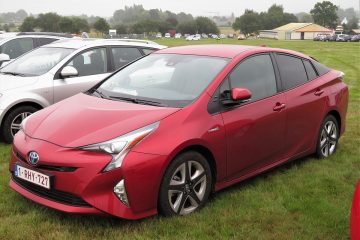
2016 Toyota Prius
- Redesigned Look: This year marked a significant redesign, offering a more modern aesthetic and improved aerodynamics.
- Advanced Technology: The 2016 model comes equipped with advanced safety features and tech options, enhancing the driving experience.
- Hybrid Performance: Improved battery technology boosts performance and efficiency, making it a favorite among eco-conscious drivers.
2019 Toyota Prius
- Hybrid Synergy Drive: This model features the latest iteration of Toyota’s hybrid technology, providing better fuel efficiency and performance.
- Safety Ratings: The 2019 Prius received high safety ratings, making it a reliable choice for families.
- Comfort Features: Enhanced interior comfort and tech features make this model year a popular choice among buyers.
Years to Avoid (Worst Years)
While some years shine, others have been plagued by issues that can lead to costly repairs and headaches. Here are the model years you might want to avoid:
2001-2003 Toyota Prius
- Battery Issues: These early models are notorious for battery failures, leading to expensive replacements.
- Limited Features: Lacking many modern conveniences, these models feel outdated compared to newer options.
- Reliability Concerns: Owners report more frequent mechanical problems, making them less desirable for used car buyers.
2011 Toyota Prius
- Transmission Problems: This year has been associated with transmission issues that can lead to costly repairs.
- Brake Issues: Some owners have reported problems with the braking system, which can be a serious safety concern.
- Less Fuel Efficient: Compared to other model years, the 2011 Prius does not deliver the same level of fuel efficiency.
2012 Toyota Prius
- Electrical Problems: This model year has been known to have electrical issues that can be frustrating for owners.
- Inconsistent Performance: Some drivers have noted that the performance can be inconsistent, especially in hybrid mode.
- Resale Value: Due to the reported issues, resale value tends to be lower for this model year.
By focusing on the best years and avoiding the problematic ones, you can make a more informed decision when purchasing a used Toyota Prius. Whether you’re looking for fuel efficiency, reliability, or modern features, knowing which model years to consider can save you time, money, and frustration.
Facts About What Year Toyota Prius is the Best
When it comes to determining the best year for the Toyota Prius, various statistical data and owner feedback can provide valuable insights. This section will delve into reliability rankings, real ownership costs, and what current and former owners are saying in forums.
Reliability Rankings
Reliability is a key factor when considering a used vehicle. According to sources like J.D. Power and Consumer Reports, certain model years of the Toyota Prius consistently rank higher in reliability:
- 2010 Prius: Rated as one of the most reliable hybrid vehicles, with a reliability score of 4.5 out of 5 from J.D. Power.
- 2016 Prius: Received high marks for reliability, with Consumer Reports placing it in the top tier of hybrid vehicles.
- 2019 Prius: Also ranked highly in reliability, with minimal reported issues and a strong owner satisfaction rate.
Real Ownership Costs
Understanding the total cost of ownership is crucial when buying a used car. The Toyota Prius is generally known for its low ownership costs, but certain model years stand out:
- 2010 Prius: Owners report average annual maintenance costs of around $400, which is lower than many competitors.
- 2016 Prius: With improved technology, owners have noted fewer repairs, leading to average costs of about $350 annually.
- 2019 Prius: Similar to the 2016 model, this year has low maintenance costs, averaging around $300 per year.
Owner Feedback & Forum Consensus
Real user feedback can provide a wealth of information. Here’s a summary of what owners commonly say about various model years of the Toyota Prius, compiled from automotive forums and owner reviews:
| Model Year | Owner Feedback |
|---|---|
| 2010 |
|
| 2016 |
|
| 2019 |
|
| 2001-2003 |
|
| 2011 |
|
| 2012 |
|
By examining reliability rankings, ownership costs, and real feedback from owners, you can gain a clearer picture of which year Toyota Prius is the best choice for your needs.


0 Comments