What Year Toyota 4Runner Is Best to Buy?
Contents
Choosing the Best Year for a Toyota 4Runner
Purpose and Reputation
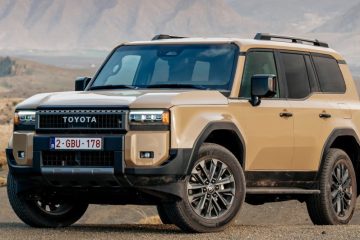
The Toyota 4Runner is a midsize SUV known for its rugged build, off-road capabilities, and reliability. Since its introduction in 1984, it has developed a loyal following among outdoor enthusiasts and families alike. The 4Runner is often praised for its longevity, with many owners reporting high mileage without significant issues. This reputation makes it a popular choice for those looking for a dependable vehicle that can handle both daily commutes and weekend adventures.
Why Model Year Matters
When considering a used Toyota 4Runner, the model year plays a crucial role in your buying decision. Different years come with varying features, reliability ratings, and potential issues. Here are some reasons why model year matters:
- Costly Repairs: Certain model years may have known issues that can lead to expensive repairs. Being aware of these can save you from unexpected costs down the road.
- Resale Value: Some years hold their value better than others. If you plan to sell or trade-in your 4Runner in the future, choosing a model year with a strong resale value can be beneficial.
- Features and Upgrades: Over the years, Toyota has made various updates to the 4Runner, including safety features, technology, and comfort. Knowing which model years include desirable features can enhance your driving experience.
- Owner Feedback: Researching user reviews and experiences for specific model years can provide insight into common problems or standout qualities that may influence your decision.
Common Reasons for Searching
Many potential buyers search for the best year to buy a Toyota 4Runner due to several common concerns:
- Reliability: Buyers want to ensure they are investing in a vehicle that won’t leave them stranded or require frequent repairs.
- Budget Constraints: Understanding which model years offer the best balance of cost and reliability helps buyers make informed financial decisions.
- Safety Ratings: Although not the main focus, some buyers may be interested in safety ratings that can vary by model year.
- Performance: Enthusiasts often seek out specific years that are known for better off-road performance or handling characteristics.
By considering these factors, you’ll be better equipped to choose the right Toyota 4Runner model year that meets your needs and expectations.
Best Years to Buy and Years to Avoid
Best Years to Buy
When it comes to the Toyota 4Runner, certain model years stand out as particularly reliable and well-regarded by owners and mechanics alike. Here’s a breakdown of the best years to consider:
2010-2013: A Solid Choice
The 2010-2013 models are often praised for their balance of modern features and reliability. Key highlights include:
- Durability: These years are known for their robust construction, making them ideal for off-road adventures.
- Engine Performance: Equipped with a powerful V6 engine, they deliver a good mix of power and fuel efficiency.
- Interior Comfort: Enhanced interior quality and technology features, including Bluetooth connectivity and upgraded sound systems.
2014-2020: The Modern Era
The 2014-2020 models brought significant updates and improvements:
- Safety Features: These years introduced advanced safety technologies, including lane departure warning and adaptive cruise control.
- Off-Road Capability: The TRD Pro trim became available, offering enhanced off-road features and suspension.
- Resale Value: These models tend to hold their value well, making them a smart investment.
Years to Avoid
While the 4Runner is generally reliable, some model years have garnered negative feedback and are best avoided. Here’s a look at the years you might want to skip:
2003-2005: Early 4th Generation Issues
These early 4Runner models from the fourth generation have been reported to have several issues:
- Transmission Problems: Owners have reported premature transmission failures, which can lead to costly repairs.
- Electrical Issues: Various electrical problems, including faulty window regulators and dashboard malfunctions, have been common.
- Rust Concerns: Some owners have noted rust issues, particularly in regions with harsh winters.
2007: A Year of Compromise
The 2007 model year is often mentioned as one to avoid due to a combination of factors:
- Fuel Economy: This year’s fuel efficiency was below average compared to other years, leading to higher running costs.
- Interior Quality: Many owners reported that the interior materials felt cheaper and less durable than in other years.
- Handling Issues: Some drivers noted that the handling was less refined, especially on rough terrain.
2016: A Mixed Bag
While not a total write-off, the 2016 model has received mixed reviews:
- Infotainment System: The infotainment system was criticized for being outdated and less user-friendly compared to competitors.
- Ride Comfort: Some owners found the ride quality to be stiffer than expected, especially on long drives.
- Limited Cargo Space: Compared to other SUVs in its class, the cargo space was found lacking, making it less practical for families.
By focusing on the best years and being cautious about the years to avoid, you can make a more informed decision when purchasing a used Toyota 4Runner. Knowing these details can help you steer clear of potential headaches and ensure you get a vehicle that meets your needs.
Facts About the Best Year Toyota 4Runner to Buy
Reliability Rankings
The Toyota 4Runner consistently ranks high in reliability across various authoritative sources. According to sources like J.D. Power and Consumer Reports, the 4Runner has earned commendable scores for its long-term reliability. Here are some key statistics:
- J.D. Power Reliability Rating: The 4Runner often scores above average in reliability, with many model years achieving a score of 4 out of 5 or higher.
- Consumer Reports: In their annual reliability survey, the 4Runner frequently appears in the top tiers for SUVs, particularly for models from 2010 onward.
- Longevity: Many owners report their 4Runners lasting well over 200,000 miles with regular maintenance, which is a testament to their durability.
Real Ownership Costs
When considering a used vehicle, understanding the real ownership costs is crucial. The Toyota 4Runner is known for its relatively low maintenance costs compared to other SUVs in its class. Here’s a breakdown of what owners typically report:
- Maintenance Costs: Average annual maintenance costs range from $500 to $700, depending on the model year and usage.
- Fuel Economy: While not the most fuel-efficient SUV, owners report reasonable fuel costs for a midsize SUV, averaging around 18-20 MPG combined for most model years.
- Insurance Rates: Insurance costs for the 4Runner are generally competitive, with many owners reporting premiums in the range of $1,200 to $1,500 annually.
User Feedback & Forum Consensus
Owner feedback from various automotive forums and communities consistently highlights the strengths and weaknesses of different model years. Below is a summary of common sentiments expressed by 4Runner owners:
| Model Year | Common Praise | Common Criticism |
|---|---|---|
| 2010-2013 |
|
|
| 2014-2020 |
|
|
| 2003-2005 |
|
|
| 2007 |
|
|
This data reflects the consensus among owners and provides valuable insights for potential buyers considering a used Toyota 4Runner. By weighing these factors, you can make a more informed decision that aligns with your needs and preferences.
0 Comments