What Year is the Best Toyota Prius?
Contents
The Best Year for the Toyota Prius: An Overview
Purpose and Reputation
The Toyota Prius has long been a symbol of eco-friendly driving and fuel efficiency. Since its debut in the late 1990s, it has garnered a reputation for reliability, low emissions, and impressive gas mileage. As a hybrid vehicle, it appeals to environmentally conscious consumers and those looking to save on fuel costs. However, not all model years are created equal, and knowing which year to target can make a significant difference in your ownership experience.
Why Model Year Matters
When considering a used Toyota Prius, the model year is crucial for several reasons:
- Costly Repairs: Some model years have known issues that can lead to expensive repairs. Understanding which years are problematic can save you from unexpected costs.
- Resale Value: Certain years hold their value better than others. If you plan to sell or trade in your Prius down the line, knowing which models are more desirable can help you make a smarter purchase.
- Features and Technology: Each model year often comes with updates and changes that can affect performance, comfort, and technology. Buyers may prefer newer models for the latest features, while others might seek older models for simplicity.
Common Reasons for Researching Model Years
Many potential buyers search for the best year of the Toyota Prius due to:
- Reliability Concerns: Buyers want to avoid models with a history of mechanical failures or recalls.
- Maintenance Costs: Understanding the typical maintenance expenses associated with different years can impact overall ownership costs.
- Consumer Reviews: Feedback from other owners can provide insight into the strengths and weaknesses of specific model years.
In the world of used cars, knowledge is power. By focusing on the best year for the Toyota Prius, you can make an informed decision that aligns with your needs and budget.
Best Years to Buy and Years to Avoid
Best Years for the Toyota Prius
When it comes to finding a reliable used Toyota Prius, certain model years stand out due to their performance, reliability, and overall owner satisfaction. Here are some of the best years to consider:
2010 Toyota Prius
The 2010 model year marked a significant redesign for the Prius, featuring improved fuel efficiency and a more spacious interior. Owners have praised its reliability and low maintenance costs. Key highlights include:
- Excellent fuel economy, averaging around 51 mpg city and 48 mpg highway.
- Roomy cabin with user-friendly technology.
- Strong resale value due to its popularity.
2012 Toyota Prius
The 2012 Prius continued the trend of reliability and efficiency. It received high marks for its comfortable ride and advanced safety features. Notable aspects include:
- Improved technology options, including a touchscreen interface.
- Consistently high fuel efficiency ratings.
- Strong reputation for longevity and low repair costs.
2015 Toyota Prius
The 2015 model introduced some updates that made it more appealing to buyers. It maintained the Prius’s reputation for reliability while adding some modern features. Key points include:
- Enhanced safety features, including advanced airbags and stability control.
- Improved ride quality and handling.
- Good resale value, making it a smart investment.
Years to Avoid (Worst Years)
While the Toyota Prius is generally known for its reliability, certain model years have been flagged by owners and mechanics alike for various issues. Here are the years you might want to steer clear of:
2001 Toyota Prius
The first-generation Prius laid the groundwork for future models, but it also came with its share of problems. Common issues include:
- Battery failures that can be costly to replace.
- Electrical system problems leading to unexpected repairs.
- Lower fuel efficiency compared to later models.
2004 Toyota Prius
The 2004 model year saw improvements, but it still had some significant drawbacks. Owners reported:
- Transmission issues that could lead to expensive repairs.
- Less reliable battery performance compared to newer models.
- Limited safety features for its time.
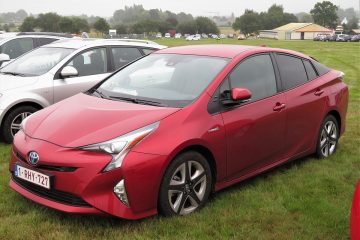
2016 Toyota Prius
While the 2016 Prius introduced a new design, it also faced criticism from some owners. Issues reported include:
- Less interior space compared to previous models, making it feel cramped.
- Some users reported problems with the infotainment system.
- Fuel economy did not meet the expectations set by earlier models.
Final Thoughts on Model Years
Choosing the right model year for your Toyota Prius can significantly impact your ownership experience. By focusing on the best years, you can enjoy the benefits of reliability and efficiency, while avoiding the pitfalls of the less favorable years. Always consider getting a pre-purchase inspection from a trusted mechanic to ensure you’re making a sound investment.
Facts About the Best Year for the Toyota Prius
Reliability Rankings
Reliability is a crucial factor when selecting a used vehicle, and the Toyota Prius consistently ranks high in this area. According to sources like J.D. Power and Consumer Reports, certain model years have received exceptional reliability ratings:
- The 2010 and 2012 Prius models have been rated as “Best Resale Value” in their respective years.
- Consumer Reports lists the 2010 Prius as one of the top-rated used cars for reliability.
- J.D. Power’s Vehicle Dependability Study frequently ranks the Prius among the top hybrid vehicles for long-term reliability.
Real Ownership Costs
Understanding the real ownership costs associated with different Prius model years can help you make a more informed decision. Owners often share their experiences regarding maintenance, fuel economy, and overall satisfaction in various online forums. Here are some key points:
- The average annual maintenance cost for a Toyota Prius is around $400, which is lower than many other vehicles in its class.
- Fuel costs are significantly reduced due to the Prius’s excellent fuel economy, averaging between 48 to 56 mpg depending on the model year.
- Owners report that the longevity of the Prius often leads to lower total cost of ownership over time.
User Feedback & Forum Consensus
Real-world feedback from Prius owners can provide valuable insights into the best years to consider. Below is a summary of common sentiments expressed in online forums:
| Model Year | Common Owner Feedback |
|---|---|
| 2010 | Highly reliable, great fuel economy, spacious interior. |
| 2012 | Excellent technology features, low maintenance costs, very dependable. |
| 2015 | Comfortable ride, good safety ratings, strong resale value. |
| 2001 | Battery issues, electrical problems, lower reliability. |
| 2004 | Transmission problems, less reliable battery performance. |
| 2016 | Cramped interior space, infotainment issues, fuel economy below expectations. |
Summary of Owner Experiences
In various forums, Prius owners frequently mention:
- High satisfaction with fuel efficiency and low emissions.
- Concerns about battery longevity in older models.
- Preference for newer models due to improved technology and comfort.
These insights can guide potential buyers in selecting the best year for their Toyota Prius, ensuring a better ownership experience.


0 Comments