What is the Best Year of Toyota Prius?
Contents
What is the Best Year of Toyota Prius?
Purpose and Reputation
The Toyota Prius has long been a symbol of eco-friendliness and fuel efficiency in the automotive world. Since its introduction in the late 1990s, it has carved out a niche for itself as a reliable hybrid vehicle. Known for its distinctive design and impressive mileage, the Prius appeals to a wide range of drivers, from environmentally conscious individuals to those simply looking to save on fuel costs. Its reputation for longevity and low maintenance costs makes it a popular choice in the used car market.
Why Model Year Matters When Buying Used
When considering a used Toyota Prius, the model year plays a crucial role in your purchasing decision. Different model years can come with varying features, performance, and reliability. Factors to consider include:
- Costly Repairs: Some model years may have known issues that could lead to expensive repairs down the line. Understanding which years have had recalls or common problems can save you from unexpected costs.
- Resale Value: The resale value can fluctuate significantly based on the model year. Certain years may retain their value better than others, making them a smarter investment.
- Technology and Features: As the Prius has evolved, newer models have incorporated advanced technology and safety features. Buyers may want to consider if these enhancements are worth the price difference.
Common Reasons for Searching This Question
Many potential buyers find themselves asking, “What is the best year of Toyota Prius?” for several reasons:
- Reliability: Buyers want to know which years have the best track record for reliability and fewer mechanical issues.
- Fuel Economy: While all Priuses are fuel-efficient, some years may offer better mileage than others, which is a significant factor for many buyers.
- Owner Reviews: Real-world experiences from other owners can provide insight into which model years are worth considering and which to avoid.
Best Years to Buy and Years to Avoid (Worst Years)
Best Years to Buy
When it comes to the Toyota Prius, certain model years stand out as particularly reliable and feature-rich. Here are the years that have garnered positive feedback from owners and mechanics alike:
2010 Toyota Prius
The 2010 model year is often hailed as one of the best. It features a refined design and improved fuel economy, averaging around 51 mpg combined. Owners appreciate its spacious interior and cargo capacity, making it practical for families. The 2010 Prius also comes with a solid reputation for reliability, with fewer reported issues compared to earlier models.
2016 Toyota Prius
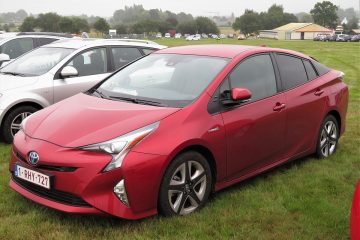
The 2016 Prius marked a significant redesign, offering a more modern look and advanced technology. This model introduced the Toyota Safety Sense package, which includes features like adaptive cruise control and lane departure warning. Fuel economy remains impressive, with an average of 54 mpg combined. Owners report high satisfaction levels, particularly regarding the vehicle’s handling and comfort.
2019 Toyota Prius
The 2019 model continues the trend of reliability and efficiency. With updated technology and a user-friendly infotainment system, it appeals to tech-savvy buyers. The fuel economy is still excellent, averaging around 52 mpg combined. Additionally, this model year has received high safety ratings, making it a solid choice for families.
Years to Avoid
While the Prius has many strengths, some model years have garnered negative feedback and should be approached with caution. Here are the years that are often flagged by mechanics and owners:
2001-2003 Toyota Prius
The first-generation Prius, produced from 2001 to 2003, is known for its early hybrid technology, which can lead to various issues. Owners have reported problems with the battery and electrical systems, which can result in costly repairs. While the price may be tempting, the potential for expensive fixes makes these years less desirable.
2011 Toyota Prius
The 2011 model year has been noted for its issues with the brake system. Some owners have experienced premature wear on brake pads and even complete brake failure in certain situations. This model also has a higher incidence of battery problems compared to other years, making it a risky buy for those looking for reliability.
2012 Toyota Prius
Similar to the 2011 model, the 2012 Prius has faced complaints regarding the braking system. Additionally, some owners have reported issues with the hybrid battery, which can be a significant concern for potential buyers. The combination of these factors makes the 2012 model one to avoid if you want a dependable vehicle.
Factors to Consider
When evaluating which year of the Toyota Prius to purchase, consider the following factors:
- Maintenance History: Always check the maintenance records of any used Prius. A well-maintained vehicle can make a huge difference in reliability, regardless of the model year.
- Battery Condition: The hybrid battery is a critical component of the Prius. If you’re looking at older models, inquire about the battery’s health and whether it has been replaced.
- Owner Reviews: Look for owner reviews and forums for insights into common problems and strengths of specific model years.
By focusing on the best years and being cautious about the worst, you can make a more informed decision when purchasing a used Toyota Prius.
Facts About the Best Year of Toyota Prius
Reliability Rankings
When it comes to reliability, the Toyota Prius has consistently performed well in various rankings. According to sources like J.D. Power and Consumer Reports, the Prius often scores high for reliability and owner satisfaction. For instance:
- The 2010 model year received a reliability rating of 4.5 out of 5 from J.D. Power.
- The 2016 Prius was rated as one of the top hybrids in its class, with a reliability score of 4 out of 5 from Consumer Reports.
- The 2019 model year has also been noted for its reliability, earning high marks in owner satisfaction surveys.
Real Ownership Costs
Understanding the real ownership costs of a used Toyota Prius can help potential buyers make informed decisions. According to various user feedback and forum consensus, here are some insights:
- Average maintenance costs for a Prius range from $400 to $600 annually, which is lower than many traditional vehicles.
- Hybrid battery replacement can be a significant cost, averaging between $2,000 to $3,000, but this is often offset by the vehicle’s fuel savings over time.
- Insurance costs for the Prius are generally lower than average, making it an economical choice for many drivers.
User Feedback & Forum Consensus
Owner feedback from various forums provides valuable insights into the strengths and weaknesses of different Prius model years. Below is a summary table of common comments from owners:
| Model Year | Owner Feedback |
|---|---|
| 2010 | Highly reliable, excellent fuel economy, spacious interior. |
| 2016 | Great technology features, smooth ride, high safety ratings. |
| 2019 | Modern design, comfortable, good resale value. |
| 2001-2003 | Frequent battery issues, outdated technology. |
| 2011 | Brake problems reported, higher maintenance costs. |
| 2012 | Similar brake issues, hybrid battery concerns. |
Common Themes in Owner Reviews
Across various forums, owners often highlight the following themes:
- Fuel Efficiency: Most owners rave about the exceptional fuel economy, often exceeding their expectations.
- Reliability: Many users report minimal issues over several years of ownership, especially with newer models.
- Comfort and Space: Owners frequently mention the spaciousness of the Prius, making it suitable for families or long trips.
- Maintenance Costs: Users appreciate the lower-than-average maintenance costs, although some express concerns about battery replacements for older models.


0 Comments