Toyota Prius Best Year: Top Picks and Insights
Contents
Toyota Prius: Best Year Overview
The Toyota Prius has long been a staple in the hybrid vehicle market, known for its fuel efficiency, eco-friendliness, and practicality. Since its debut in the late 1990s, the Prius has garnered a reputation as a reliable choice for environmentally conscious drivers and those looking to save on fuel costs. Its unique design and hybrid technology have made it a popular option for commuters and families alike.
Why Model Year Matters
When considering a used Toyota Prius, the model year can significantly impact your buying decision. Different model years come with various updates, improvements, and sometimes, issues. Here are a few reasons why the model year is crucial:
- Costly Repairs: Certain years may have known issues that can lead to expensive repairs. Understanding which model years are more reliable can save you money in the long run.
- Resale Value: Some model years hold their value better than others. If you’re planning to sell your Prius in the future, knowing which years are in demand can help you make a smarter investment.
- Features and Technology: Each model year may offer different features, from safety enhancements to tech upgrades. Knowing what each year brings can help you choose a model that fits your needs.
Common Reasons for Searching Best Year
Many potential buyers search for the “best year” of the Toyota Prius for several reasons:
- Reliability: Buyers want to avoid models known for frequent issues. Researching model years can help pinpoint the most dependable options.
- Fuel Efficiency: While all Priuses are fuel-efficient, certain years may have improved hybrid technology that enhances mileage.
- Safety Ratings: Some years may have received better crash test ratings or come with advanced safety features that are appealing to buyers.
- Owner Reviews: Feedback from current and past owners can provide insights into real-world performance and common problems.
In summary, knowing the best year for the Toyota Prius is essential for making an informed purchase. It can save you from potential headaches and financial burdens down the line.
Best Years to Buy and Years to Avoid
When it comes to the Toyota Prius, not all model years are created equal. Some years stand out for their reliability, features, and overall owner satisfaction, while others can be riddled with issues that can lead to costly repairs. Here’s a breakdown of the best years to buy and the ones you might want to avoid.
Best Years to Buy
If you’re in the market for a used Toyota Prius, consider these model years that have received favorable reviews from both owners and automotive experts.
2010 Toyota Prius
- Fuel Efficiency: This model year is known for exceptional fuel economy, often achieving over 50 mpg combined.
- Technology: The 2010 Prius introduced a more refined interior and upgraded technology, including a better infotainment system.
- Reliability: Owners report fewer mechanical issues compared to earlier models, making it a solid choice for used buyers.
2012 Toyota Prius
- Performance: This year saw improvements in the hybrid system, enhancing both efficiency and responsiveness.
- Interior Quality: The cabin received upgrades in materials and design, providing a more comfortable driving experience.
- Safety Features: The 2012 model comes with advanced safety features that were not available in earlier years.
2015 Toyota Prius
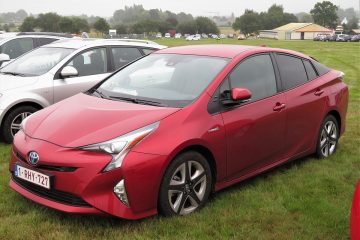
- Redesign: This model year featured a significant redesign, improving aerodynamics and overall aesthetics.
- Hybrid Technology: Enhanced hybrid technology leads to better fuel efficiency and performance.
- Owner Satisfaction: High marks for reliability and low maintenance costs make it a popular choice among buyers.
Years to Avoid
While some years shine, others can be a nightmare for used car buyers. Here are the model years you might want to steer clear of.
2001 Toyota Prius
- Early Issues: This was the first generation of the Prius, and many owners reported various mechanical issues, including battery problems.
- Limited Features: The technology and safety features were basic compared to later models, making it less appealing.
2004 Toyota Prius
- Battery Problems: Many owners experienced premature battery failures, leading to costly replacements.
- Performance Issues: The driving experience was less refined, with reports of sluggish acceleration and handling.
2013 Toyota Prius
- Transmission Problems: Some owners reported issues with the continuously variable transmission (CVT), leading to expensive repairs.
- Interior Quality: Complaints about lower-quality materials in the cabin compared to previous years were common.
2016 Toyota Prius
- Mixed Reviews: The redesign wasn’t well-received by all, with some owners finding the new styling and layout less appealing.
- Technology Glitches: Reports of software issues with the infotainment system were prevalent, leading to frustration among users.
By focusing on the best years and avoiding the ones with known issues, you can make a more informed decision when purchasing a used Toyota Prius. This approach can save you from headaches and unexpected repair bills down the road.
Facts About Toyota Prius Best Year
When discussing the best year for the Toyota Prius, it’s essential to consider various factors, including reliability rankings, ownership costs, and real user feedback. This section will provide a comprehensive overview based on statistical data and insights from owners.
Reliability Rankings
The Toyota Prius is often celebrated for its reliability, but certain model years stand out more than others. According to sources like J.D. Power and Consumer Reports, the following years have received high reliability ratings:
- 2010: Rated as one of the top models for reliability, with minimal reported issues.
- 2012: Consistently ranked high for dependability, with many owners reporting trouble-free experiences.
- 2015: Noted for its reliability and low maintenance costs in various automotive surveys.
Real Ownership Costs
Understanding the real ownership costs of a Toyota Prius can help potential buyers gauge their investment. Here’s a breakdown of average ownership costs for some of the best years:
- 2010 Prius: Average annual maintenance costs are around $400, with minimal repairs needed.
- 2012 Prius: Owners report similar costs, with many highlighting low fuel expenses due to excellent mileage.
- 2015 Prius: Maintenance costs are slightly higher at around $450 annually, but still considered reasonable for a hybrid.
User Feedback & Forum Consensus
Real-world feedback from owners can provide valuable insights into the day-to-day experience of driving a Prius. Below is a summary of what owners commonly say in forums about the best years:
| Model Year | Common Feedback |
|---|---|
| 2010 | Reliable and fuel-efficient; many owners report over 200,000 miles without major issues. |
| 2012 | Highly praised for comfort and tech features; owners love the spacious interior and smooth ride. |
| 2015 | Owners appreciate the redesign and improved performance; noted for excellent resale value. |
In summary, the best years for the Toyota Prius, particularly 2010, 2012, and 2015, are backed by strong reliability ratings and favorable ownership costs. Owner feedback consistently highlights these models as dependable and economical choices, making them attractive options for used car buyers.


0 Comments