Toyota Prius: Best Year to Buy Insights
Contents
Toyota Prius: Best Year to Buy
Overview of the Toyota Prius
The Toyota Prius has long been a symbol of eco-friendly driving and fuel efficiency. Since its introduction in the late 1990s, it has built a reputation as one of the most reliable hybrid vehicles on the market. Known for its unique design and impressive mileage, the Prius appeals to a wide range of drivers, from environmentally conscious individuals to those simply looking to save on fuel costs.
Importance of Model Year
When considering a used Toyota Prius, the model year plays a significant role in your buying decision. Each year brings changes in technology, features, and overall performance. Some model years may have enhancements that improve reliability and comfort, while others may be plagued with issues that can lead to costly repairs.
Common Reasons for Year-Specific Searches
Many potential buyers often search for the best year to buy a Toyota Prius for several reasons:
- Costly Repairs: Certain model years may have known issues that lead to expensive repairs. By identifying the best years, you can avoid models that may end up costing you more in the long run.
- Resale Value: Some years hold their value better than others. If you plan to sell your Prius in the future, knowing which years have better resale value can be a smart financial move.
- Features and Technology: As technology evolves, so do the features in vehicles. Some years may offer advanced safety features or improved fuel efficiency that can enhance your driving experience.
- Consumer Feedback: Reviews and feedback from other Prius owners can provide insights into which years have been the most reliable and enjoyable to drive.
In summary, understanding the nuances of each model year can help you make an informed decision when purchasing a used Toyota Prius. This knowledge can save you from potential headaches and ensure that you get the best value for your investment.
Best Years to Buy and Years to Avoid
Best Years to Buy a Toyota Prius
When it comes to finding the best years for a used Toyota Prius, several model years stand out due to their reliability, features, and overall owner satisfaction. Here’s a breakdown of the top choices:
2010 Toyota Prius
The 2010 model year is often praised for its balance of efficiency and performance. Key highlights include:
- Improved Fuel Economy: This year saw a boost in fuel efficiency, achieving up to 51 mpg in the city and 48 mpg on the highway.
- Enhanced Interior: The cabin is spacious and comfortable, with user-friendly technology that includes a touchscreen interface.
- Reliability: Owners report fewer mechanical issues compared to earlier models, making it a solid choice for long-term ownership.
2012 Toyota Prius
The 2012 model continues the trend of reliability with some added features:
- Advanced Technology: This model introduced features like the Entune infotainment system, which enhances connectivity.
- Safety Ratings: It received high safety ratings, making it a safe option for families.
- Battery Longevity: The battery life is generally longer, with many owners reporting minimal degradation even after several years.
2015 Toyota Prius
The 2015 model year is another excellent choice due to its updates and improvements:
- Refined Design: The exterior styling was updated, giving it a more modern look while maintaining its aerodynamic efficiency.
- Increased Cargo Space: The hatchback design allows for more storage, making it practical for everyday use.
- Hybrid Synergy Drive: This year’s hybrid system is more efficient, providing better performance in various driving conditions.
Years to Avoid (Worst Years)
While many years of the Toyota Prius are solid choices, some models have gained a reputation for issues that can lead to costly repairs. Here’s a look at the years you might want to steer clear of:
2001 Toyota Prius
The very first generation of the Prius had its share of problems:
- Battery Issues: Many owners reported early battery failures, leading to expensive replacements.
- Limited Features: The technology was basic compared to later models, lacking many modern conveniences.
- Low Resale Value: Due to its age and common issues, resale values are significantly lower.
2004 Toyota Prius
The 2004 model is another one to be cautious about:
- Transmission Problems: Some owners experienced issues with the continuously variable transmission (CVT), leading to costly repairs.
- Brake Concerns: Reports of braking issues have surfaced, causing safety concerns for drivers.
- Fuel Economy Drops: While it was initially praised for fuel efficiency, many owners noted a drop in mileage over time.
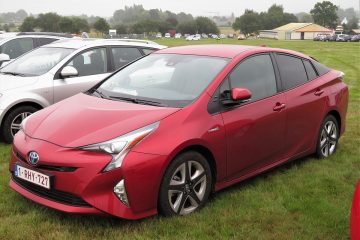
2016 Toyota Prius
The 2016 model year introduced a new design, but not without its drawbacks:
- Infotainment Glitches: Many users reported problems with the infotainment system, which can be frustrating.
- Less Interior Space: The redesign sacrificed some interior space, making it less practical for families.
- Mixed Reviews: While some loved the new look, others felt it strayed too far from what made the Prius popular.
In summary, knowing which years to buy and which to avoid can save you time, money, and headaches. The Toyota Prius has plenty of reliable options, but being aware of the pitfalls will help you make a smarter purchase.
Facts About the Best Year to Buy a Toyota Prius
Reliability Rankings
When it comes to reliability, the Toyota Prius consistently ranks high among hybrid vehicles. According to sources like J.D. Power and Consumer Reports, certain model years stand out:
- 2010 Model: Rated 4 out of 5 in reliability, with many owners reporting minimal issues over time.
- 2012 Model: Received accolades for its dependability, often scoring in the top tier for hybrid vehicles.
- 2015 Model: Maintained a strong reliability score, with many users praising its longevity and performance.
Real Ownership Costs
Real ownership costs are a crucial factor when considering a used Toyota Prius. According to various user feedback and automotive forums, here are some insights:
- Fuel Efficiency: Owners frequently report fuel costs averaging around $1,200 annually, depending on driving habits.
- Maintenance Costs: Average maintenance costs hover around $400 to $600 per year, significantly lower than many traditional vehicles.
- Insurance Rates: Insurance premiums for the Prius are generally lower, with averages around $1,200 annually, depending on location and driving history.
User Feedback & Forum Consensus
A look at various automotive forums reveals common sentiments among owners regarding the best years to buy a Toyota Prius. Below is a summary table of what users typically say:
| Model Year | Common Feedback |
|---|---|
| 2010 |
|
| 2012 |
|
| 2015 |
|
| 2001 |
|
| 2004 |
|
| 2016 |
|
In summary, the Toyota Prius has a solid reputation for reliability and low ownership costs, particularly in the 2010, 2012, and 2015 model years. However, feedback from owners highlights the importance of being cautious with certain years that have known issues.


0 Comments