Toyota Prius Best and Worst Years: A Guide
Contents
Toyota Prius: Best and Worst Years Overview
The Toyota Prius has long been a symbol of eco-friendly driving, known for its hybrid technology and fuel efficiency. Since its introduction in the late 1990s, the Prius has built a reputation as a reliable and practical choice for drivers looking to reduce their carbon footprint while saving on fuel costs. However, not all model years are created equal.
Why Model Year Matters
When considering a used Toyota Prius, the model year is crucial for several reasons:
- Costly Repairs: Certain model years have been reported to have specific issues that can lead to expensive repairs. Knowing which years to avoid can save you from unexpected costs.
- Resale Value: Some years hold their value better than others. A Prius from a year known for reliability may fetch a higher resale price.
- Features and Updates: Each model year may come with different features, updates, and improvements. Understanding these changes can help you choose a model that meets your needs.
Common Reasons for Researching Best and Worst Years
Drivers often search for the best and worst years of the Prius due to various concerns:
- Reliability: Many buyers want to ensure they are investing in a vehicle that won’t leave them stranded or burdened with frequent repairs.
- Fuel Efficiency: While all Priuses are designed to be fuel-efficient, some years have better performance ratings than others.
- Owner Experiences: Reviews and feedback from current and past owners can provide valuable insights into what to expect from different model years.
By focusing on these factors, potential buyers can make informed decisions when purchasing a used Toyota Prius.
Best Years to Buy and Years to Avoid (Worst Years)
When it comes to the Toyota Prius, understanding which years are the best to buy and which ones to avoid can make a significant difference in your ownership experience. Below, we break down the standout years and the ones that have left owners less than satisfied.
Best Years to Buy
The following model years are often praised for their reliability, performance, and overall owner satisfaction.
2010 Toyota Prius
- Fuel Efficiency: This model year is known for its impressive fuel economy, often achieving over 50 mpg combined.
- Interior Space: The 2010 Prius offers a spacious cabin and cargo area, making it practical for families or those needing extra storage.
- Technology: Features like a touchscreen interface and advanced navigation options were well-received by users.
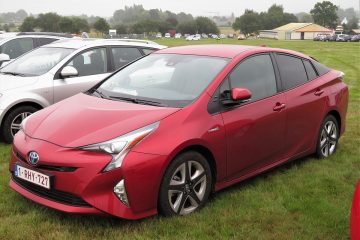
2016 Toyota Prius
- Redesign: The 2016 model marked a significant redesign, offering a more modern look and improved aerodynamics.
- Safety Features: This year introduced advanced safety features, including adaptive cruise control and lane departure warning.
- Hybrid System: The updated hybrid system provides better performance and efficiency compared to earlier models.
2019 Toyota Prius
- Reliability: Owners have reported fewer issues with the 2019 model, making it a dependable choice.
- Fuel Economy: This year continues the trend of excellent fuel efficiency, appealing to budget-conscious drivers.
- Technology Enhancements: Improved infotainment systems and connectivity options enhance the driving experience.
Worst Years to Avoid
While there are many great years for the Prius, some have garnered negative feedback due to various issues.
2001 Toyota Prius
- Early Technology: Being one of the first generations, the 2001 model struggled with early hybrid technology, leading to reliability concerns.
- Battery Issues: Owners reported frequent battery failures, which can be costly to replace.
- Limited Features: Compared to later models, the 2001 Prius lacks many modern conveniences and safety features.
2004 Toyota Prius
- Transmission Problems: This model year is notorious for transmission issues that can lead to expensive repairs.
- Interior Quality: Many owners have noted that the interior materials feel cheaper compared to other years.
- Fuel Economy Variability: While still fuel-efficient, some owners reported that the mileage did not meet expectations.
2011 Toyota Prius
- Brake Issues: This model year faced significant complaints regarding brake performance, leading to safety concerns.
- Battery Life: Some users experienced shorter battery life than anticipated, resulting in costly replacements.
- Infotainment Glitches: Owners reported issues with the infotainment system, including software bugs and unresponsive screens.
In summary, knowing the best and worst years of the Toyota Prius can help you make a more informed decision when purchasing a used model. By focusing on the years that have received positive feedback and steering clear of those with known issues, you can enhance your ownership experience and avoid costly repairs down the line.
Facts About Toyota Prius Best and Worst Years
When considering a used Toyota Prius, it’s essential to look at factual data and real owner experiences. This section highlights reliability rankings, ownership costs, and common sentiments expressed by Prius owners in forums.
Reliability Rankings
The Toyota Prius has consistently ranked well in reliability surveys. Here are some insights based on authoritative sources:
- Consumer Reports: The 2010 and 2016 models received high reliability scores, often ranking in the top tier of hybrid vehicles.
- J.D. Power: The 2019 Prius was rated above average in reliability, with fewer reported issues compared to earlier models.
- RepairPal: Overall, the Prius has a reliability rating of 4.0 out of 5.0, placing it among the top 10% of all vehicles.
Real Ownership Costs
Ownership costs can vary significantly between different model years. Here’s a breakdown of average annual costs based on user feedback and data from automotive forums:
- 2010 Prius: Average annual maintenance costs are around $400, with few major repairs reported.
- 2016 Prius: Owners report an average of $350 per year in maintenance, with high satisfaction ratings regarding reliability.
- 2011 Prius: Maintenance costs can spike to around $600 due to brake issues and battery replacements.
User Feedback & Forum Consensus
Many Prius owners share their experiences on forums, providing valuable insights into the strengths and weaknesses of various model years. Below is a summary table of common sentiments.
| Model Year | Common Owner Feedback |
|---|---|
| 2010 | Reliable, great fuel economy, spacious interior. |
| 2016 | Modern design, excellent safety features, low maintenance costs. |
| 2019 | Dependable, high fuel efficiency, improved technology. |
| 2001 | Frequent battery issues, early hybrid technology concerns. |
| 2004 | Transmission problems, lower interior quality. |
| 2011 | Brake issues, higher maintenance costs, infotainment glitches. |
By reviewing these facts and user experiences, potential buyers can better navigate the used Prius market and make informed decisions based on real-world data.


0 Comments