Toyota Camry Best and Worst Years Explained
Contents
Toyota Camry: Best and Worst Years
Overview of the Toyota Camry
The Toyota Camry has long been a staple in the midsize sedan market, known for its reliability, comfort, and overall value. Since its introduction in the early 1980s, the Camry has built a reputation as a dependable vehicle that appeals to a wide range of drivers, from families to commuters. Its blend of practicality and efficiency has made it a popular choice, often ranking high in sales year after year.
Why Model Year Matters
When purchasing a used Toyota Camry, the model year is a critical factor that can significantly impact your ownership experience. Different model years can have varying levels of reliability, performance, and features. Here are some reasons why model year matters:
- Costly Repairs: Some years have been associated with specific issues that can lead to expensive repairs. Knowing which years to avoid can save you from unexpected costs.
- Resale Value: Certain model years retain their value better than others. If you plan to sell or trade in your vehicle later, understanding which years are more desirable can help you make a financially sound decision.
- Features and Technology: Advancements in technology and safety features vary by year. Newer models may offer better fuel efficiency, updated infotainment systems, and improved safety ratings.
Common Reasons for Researching Best and Worst Years
Many potential buyers search for the best and worst years of the Toyota Camry for several reasons:
- Reliability Concerns: Buyers want to ensure they are investing in a vehicle that won’t leave them stranded or require frequent repairs.
- Owner Reviews: Real-world experiences from other Camry owners can provide valuable insights into which years have performed well and which ones have had issues.
- Budget Considerations: Understanding the historical pricing trends of different model years can help buyers find a Camry that fits their budget while still meeting their needs.
In summary, knowing the best and worst years of the Toyota Camry is essential for anyone considering a used purchase. It can lead to a more informed decision, ensuring you choose a model that aligns with your expectations for reliability, cost, and overall satisfaction.
Best Years to Buy and Years to Avoid
Best Years for the Toyota Camry
When it comes to the Toyota Camry, certain model years stand out as particularly reliable and well-regarded by owners and mechanics alike. Here are some of the best years to consider when shopping for a used Camry:
2012 Toyota Camry
The 2012 model year is often praised for its balance of performance and comfort. This year introduced a new design that improved fuel efficiency and handling. Key highlights include:
- Reliability: Owners report fewer mechanical issues compared to other years.
- Fuel Economy: The four-cylinder engine provides excellent mileage, making it a cost-effective choice for daily driving.
- Interior Quality: Improved materials and a user-friendly infotainment system enhance the driving experience.
2015 Toyota Camry
The 2015 Camry is another solid choice, combining reliability with modern features. This year saw updates that made it more competitive in the midsize sedan market. Notable aspects include:
- Safety Ratings: The 2015 model received high marks in crash tests, making it a safe option for families.
- Comfort: Spacious interior and comfortable seating make long drives more enjoyable.
- Technology: Enhanced tech features, including a touchscreen interface and smartphone integration, were well-received.
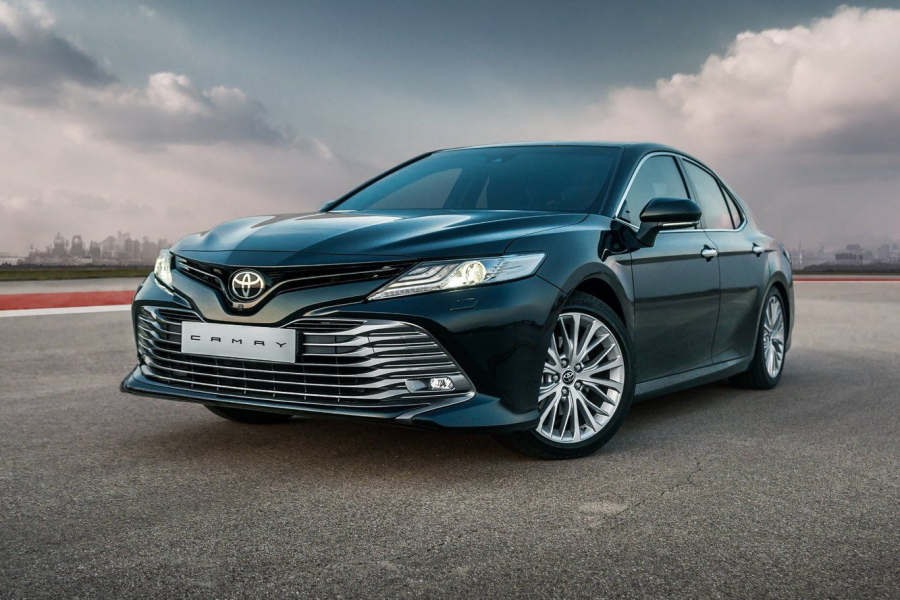
2018 Toyota Camry
The 2018 model marked a significant redesign, offering a sportier look and improved performance. This year is particularly appealing for those looking for a blend of style and substance. Key features include:
- Performance: The new engine options provide a more dynamic driving experience.
- Fuel Efficiency: Improved aerodynamics contribute to better fuel economy.
- Advanced Safety Features: Standard safety technology, such as adaptive cruise control and lane-keeping assist, enhance driver confidence.
Worst Years for the Toyota Camry
While the Camry is generally known for its reliability, some model years have been plagued by issues that make them less desirable. Here are the years you might want to avoid:
2007 Toyota Camry
The 2007 model year is often cited as one to steer clear of due to several reported problems. Key issues include:
- Transmission Problems: Many owners reported issues with the automatic transmission, leading to costly repairs.
- Brake Issues: Some models experienced premature brake wear, which can be frustrating and expensive to fix.
- Engine Problems: Reports of engine knocking and other mechanical failures were common.
2010 Toyota Camry
The 2010 Camry also has a reputation for certain reliability issues that can be a red flag for buyers. Noteworthy concerns include:
- Oil Consumption: Many owners reported excessive oil consumption, which can lead to engine damage if not addressed.
- Electrical Issues: Problems with the electrical system, including battery drainage and malfunctioning dashboard lights, were frequently mentioned.
- Suspension Problems: Some drivers experienced premature wear on suspension components, affecting ride quality.
2011 Toyota Camry
The 2011 model year is another one that buyers should approach with caution. Issues reported by owners include:
- Transmission Failures: Similar to the 2007 model, the 2011 Camry had reports of transmission issues that could lead to costly repairs.
- Interior Quality: Many owners felt that the interior materials did not hold up well over time, leading to a less appealing cabin.
- Fuel Economy: Compared to other years, fuel efficiency was not as competitive, making it less appealing for budget-conscious buyers.
In summary, knowing which years of the Toyota Camry to consider and which to avoid can significantly impact your ownership experience. By focusing on the best years, you can find a reliable vehicle that meets your needs while steering clear of models that may cause headaches down the road.
Facts About Toyota Camry Best and Worst Years
Reliability Rankings
The Toyota Camry has consistently ranked high in reliability surveys conducted by various automotive authorities. Sources like J.D. Power and Consumer Reports provide valuable insights into the dependability of different model years. Here are some key findings:
- 2012 Toyota Camry: Ranked in the top tier for reliability with a score of 4.5 out of 5 from J.D. Power.
- 2015 Toyota Camry: Received a reliability rating of 4 out of 5 from Consumer Reports, making it one of the most dependable vehicles in its class.
- 2018 Toyota Camry: Noted for its reliability with a score of 4.5 out of 5 from various owner surveys.
- 2007 Toyota Camry: Rated poorly with a reliability score of 2.5 out of 5, primarily due to transmission and engine issues.
- 2010 Toyota Camry: Received a low reliability rating of 2.5 out of 5, with many complaints about oil consumption and electrical problems.
- 2011 Toyota Camry: Also rated poorly at 2.5 out of 5, with common issues related to transmission failures.
Real Ownership Costs
Understanding the ownership costs associated with different Camry model years is crucial for potential buyers. Factors such as maintenance, repairs, and fuel efficiency play a significant role in the overall cost of ownership. Here are some insights based on user feedback and forum consensus:
- 2012 Toyota Camry: Owners report low maintenance costs, averaging around $400 annually, with minimal unexpected repairs.
- 2015 Toyota Camry: Average annual ownership costs are around $450, with high reliability contributing to fewer repair expenses.
- 2018 Toyota Camry: Slightly higher ownership costs at about $500 annually, but still considered economical due to its fuel efficiency.
- 2007 Toyota Camry: High repair costs reported, averaging $800 annually due to transmission and engine issues.
- 2010 Toyota Camry: Owners often face costs upwards of $700 annually, primarily due to oil consumption and electrical repairs.
- 2011 Toyota Camry: Similar to the 2010 model, with average costs around $750 annually due to transmission problems.
Owner Feedback and Forum Consensus
Owner feedback on forums often provides a wealth of information regarding the strengths and weaknesses of specific Camry model years. Below is a summary of common sentiments expressed by owners:
| Model Year | Common Complaints | Positive Feedback |
|---|---|---|
| 2012 | None reported | Reliable, comfortable, great fuel economy |
| 2015 | Minor tech issues | Spacious, safe, good resale value |
| 2018 | Higher price point | Sporty design, excellent handling |
| 2007 | Transmission failures, engine knocking | Comfortable ride, good visibility |
| 2010 | Oil consumption, electrical issues | Good handling, spacious interior |
| 2011 | Transmission problems, interior quality | Good fuel economy, reliable when functioning |
This overview of reliability rankings, ownership costs, and owner feedback provides a clearer picture of the best and worst years for the Toyota Camry. By considering these factors, potential buyers can make informed decisions that align with their needs and budget.

0 Comments