What Year Ford F-150 is Best to Buy?
Contents
What Year Ford F-150 is Best?
Introduction to the Ford F-150
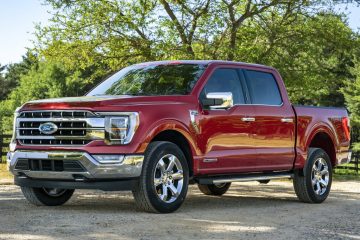
The Ford F-150 has long been a staple in the pickup truck market, known for its versatility, ruggedness, and reliability. Since its debut in 1948, the F-150 has built a reputation as a workhorse, appealing to both commercial users and everyday drivers. Whether you need a truck for hauling heavy loads, off-roading, or simply commuting, the F-150 has options to meet various needs.
Why Model Year Matters
When considering a used Ford F-150, the model year is crucial for several reasons:
- Costly Repairs: Different model years have varying reliability records. Some years are notorious for specific issues that can lead to expensive repairs down the line. Knowing which years to avoid can save you money and headaches.
- Resale Value: Certain model years retain their value better than others. If you plan to sell or trade in your truck in the future, understanding the resale market can help you make a more informed purchase.
- Features and Technology: Each model year brings updates in technology and features. Older models may lack modern conveniences that enhance safety and driving experience, making a newer model more appealing.
Common Reasons for Researching Model Years
Many potential buyers search for the best year for the Ford F-150 due to:
- Reliability Concerns: Buyers want to avoid models that are prone to mechanical issues.
- Budget Constraints: Understanding which years offer the best value without compromising quality is essential for budget-conscious consumers.
- Owner Experiences: Insights from current and past owners can provide valuable information on what to expect from a particular model year.
In summary, knowing which year of the Ford F-150 to buy can make a significant difference in terms of reliability, cost, and overall satisfaction.
Best Years to Buy and Years to Avoid
Best Years to Buy
When it comes to finding the best years for the Ford F-150, certain model years stand out due to their reliability, performance, and overall owner satisfaction. Here are some of the top picks:
2011 Ford F-150
The 2011 model year is often praised for its robust performance and variety of engine options. Owners appreciate its comfortable ride and spacious interior. Key highlights include:
- Strong Engine Choices: Offers a range of engines, including a fuel-efficient V6 and powerful V8 options.
- High Towing Capacity: Capable of handling heavy loads, making it a favorite among those needing a workhorse.
- Positive Owner Feedback: Many users report minimal issues, contributing to its reputation for reliability.
2015 Ford F-150
The 2015 model marked a significant redesign, introducing an aluminum body that reduced weight without sacrificing strength. This year is notable for:
- Improved Fuel Efficiency: The lighter body contributes to better gas mileage, which is a big plus for daily drivers.
- Advanced Technology: Features like the SYNC infotainment system and various safety options enhance the driving experience.
- Strong Resale Value: This model year holds its value well, making it a smart investment.
2017 Ford F-150
Another solid choice, the 2017 model continues to build on the strengths of its predecessors. Key points include:
- Refined Ride Quality: Improvements in suspension lead to a smoother ride, especially on rough terrain.
- Enhanced Safety Features: Many models come equipped with advanced safety technology, providing peace of mind for drivers.
- Positive Reliability Ratings: Generally, this year has fewer reported issues compared to other years.
Years to Avoid
While many years of the Ford F-150 are reliable, some have garnered negative attention due to recurring problems. Here are the years you might want to steer clear of:
2004 Ford F-150
The 2004 model is often cited as one of the worst years for the F-150. Common issues include:
- Transmission Problems: Many owners report issues with the transmission failing prematurely.
- Electrical Issues: Problems with the electrical system can lead to various malfunctions, causing frustration for owners.
- Lower Resale Value: Due to its reputation, this model year tends to depreciate faster than others.
2005 Ford F-150
Following closely behind, the 2005 model shares many of the same problems as the 2004 version. Key issues include:
- Engine Failures: Owners have reported significant engine problems, leading to costly repairs.
- Suspension Complaints: The suspension system is often criticized for not holding up under heavy loads.
- Poor Fuel Economy: Compared to newer models, the fuel efficiency is lacking, making it less appealing for daily use.
2010 Ford F-150
The 2010 model year is another one to be cautious about. Notable concerns include:
- Brake Issues: Several owners have reported problems with the braking system, which can be a significant safety concern.
- Interior Quality: Complaints about cheap materials and poor fit and finish have surfaced, detracting from overall satisfaction.
- Inconsistent Performance: Some engines in this model year have been known to underperform, leading to frustration among drivers.
By focusing on the best and worst years of the Ford F-150, you can make a more informed decision when considering a used truck. The right model year can save you money and provide a more enjoyable driving experience.
Facts About What Year Ford F-150 is Best
Reliability Rankings
When it comes to reliability, certain model years of the Ford F-150 consistently rank higher than others. According to sources like J.D. Power and Consumer Reports, the following years have received commendable reliability scores:
- 2011: Rated highly for its durability and lower incidence of major repairs.
- 2015: Recognized for its innovative design and reliability, particularly after the aluminum body introduction.
- 2017: Continued to build on the strengths of previous models, receiving high marks for owner satisfaction.
Real Ownership Costs
Understanding the real ownership costs of the Ford F-150 can help potential buyers make informed decisions. According to various automotive reviews and owner feedback, the following factors contribute to overall ownership costs:
- Maintenance Costs: Generally, newer models like the 2015 and 2017 have lower maintenance costs due to improved reliability.
- Fuel Efficiency: The 2015 model’s aluminum body contributes to better fuel economy, reducing long-term fuel expenses.
- Insurance Rates: Certain years, particularly those with lower accident rates, tend to have lower insurance premiums.
User Feedback & Forum Consensus
Owner feedback from online forums provides valuable insights into the real-world experiences of F-150 drivers. Below is a summary of common sentiments expressed by owners across various platforms:
| Model Year | Common Owner Feedback |
|---|---|
| 2011 | Reliable, good towing capacity, comfortable interior. |
| 2015 | Great fuel economy, advanced technology, smooth ride. |
| 2017 | Excellent safety features, refined driving experience, minimal issues reported. |
| 2004 | Transmission problems, electrical issues, generally avoided by buyers. |
| 2005 | Engine failures, suspension complaints, not recommended. |
| 2010 | Brake issues, poor interior quality, inconsistent performance. |
Summary of Owner Experiences
In addition to the table, here are some common themes from forums regarding the Ford F-150:
- Longevity: Many owners report their trucks lasting well over 200,000 miles with proper maintenance.
- Versatility: Owners appreciate the range of configurations available, from work trucks to family haulers.
- Community Support: The F-150 has a strong owner community, providing advice and sharing experiences that can help new buyers.
By examining reliability rankings, real ownership costs, and user feedback, potential buyers can better navigate their options when considering which year of the Ford F-150 to purchase.
0 Comments