Mazda CX-5 Best Years to Avoid: Key Insights
Contents
Overview of the Mazda CX-5: Best Years to Avoid
The Mazda CX-5 has carved out a solid reputation in the compact SUV market since its debut in 2012. Known for its sporty handling, stylish design, and comfortable interior, the CX-5 appeals to a wide range of drivers. However, like any vehicle, some model years have proven to be less reliable than others. This is where the importance of model year comes into play when considering a used purchase.
Why Model Year Matters
When shopping for a used Mazda CX-5, the model year can significantly impact your experience as an owner. Different years may come with varying levels of reliability, features, and overall performance. Here are some reasons why model year is crucial:
- Costly Repairs: Certain model years may have known issues that lead to expensive repairs. Understanding which years to avoid can save you from unexpected financial burdens.
- Resale Value: Some years may depreciate faster than others due to reliability concerns. A vehicle with a poor reputation may not hold its value well, affecting your investment.
- Features and Updates: Automakers often make improvements and updates each year. Knowing which model years have the best features can enhance your driving experience.
Common Reasons for Research
Many prospective buyers search for the best years to avoid for the Mazda CX-5 due to several common concerns:
- Reliability: Buyers want to ensure they are investing in a vehicle that will not leave them stranded or require frequent repairs.
- Owner Experiences: Real-world feedback from other CX-5 owners can provide insights into what to expect from a particular model year.
- Warranty Issues: Some model years may have more warranty claims, indicating potential problems that could affect your ownership experience.
By being informed about which Mazda CX-5 model years to steer clear of, you can make a more educated decision, ensuring that your investment is sound and your driving experience is enjoyable.
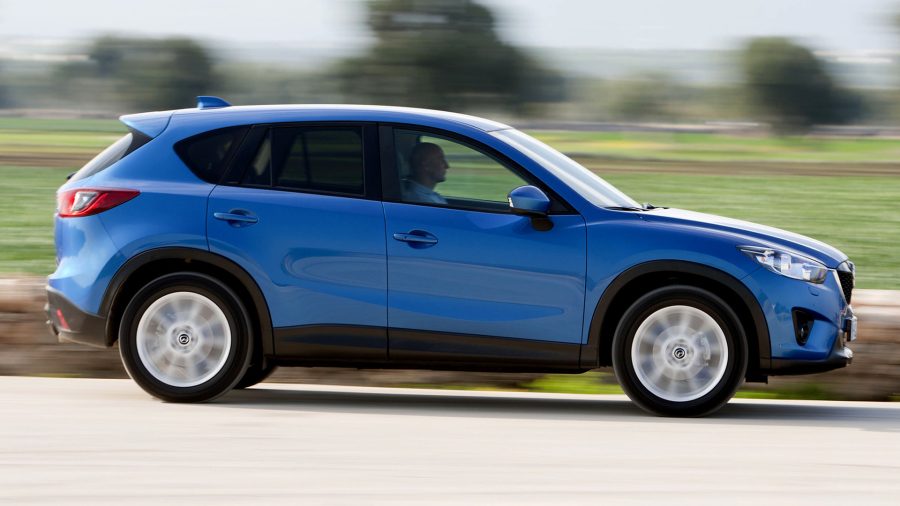
Best Years to Buy and Years to Avoid (Worst Years)
When considering a used Mazda CX-5, it’s essential to know which model years stand out positively and which ones have left owners frustrated. As an automotive mechanic, I’ve seen firsthand the differences in reliability and performance across various model years. Here’s a breakdown of the best years to buy and the worst years to avoid.
Best Years to Buy
The Mazda CX-5 has had several standout model years that have garnered praise from both owners and experts. These years typically feature fewer reported issues and better overall performance.
2016 Mazda CX-5
- Reliability: The 2016 model is known for its solid reliability ratings and minimal reported problems.
- Performance: It offers a smooth ride with responsive handling, making it enjoyable to drive.
- Features: This year introduced a host of updated technology and safety features, enhancing the overall driving experience.
2017 Mazda CX-5
- Redesign: The 2017 model received a complete redesign, improving aesthetics and interior quality.
- Safety Ratings: It earned high safety ratings, making it a solid choice for families.
- Comfort: Enhanced sound insulation and a more spacious interior contribute to a comfortable ride.
2018 Mazda CX-5
- Performance: The 2018 model continued the trend of sporty handling while maintaining good fuel efficiency.
- Technology: It features an intuitive infotainment system and advanced driver-assistance features.
- Owner Satisfaction: Many owners report high satisfaction levels with this model year.
Worst Years to Avoid
While some years shine, others have significant issues that can lead to costly repairs and frustration. Here are the model years you should be cautious about.
2013 Mazda CX-5
- Transmission Problems: Many owners have reported issues with the automatic transmission, leading to rough shifting and premature failure.
- Engine Issues: Some vehicles experienced engine stalling and excessive oil consumption, raising concerns about long-term reliability.
- Recalls: This model year had several recalls, indicating potential safety concerns that should not be overlooked.
2014 Mazda CX-5
- Electrical Issues: Owners have reported various electrical problems, including issues with the infotainment system and dashboard lights.
- Suspension Problems: Some vehicles experienced premature wear on suspension components, leading to a rough ride.
- Fuel Economy: This year did not perform as well in fuel efficiency compared to other years, which can be a dealbreaker for many buyers.
2019 Mazda CX-5
- Infotainment Glitches: Several owners reported issues with the infotainment system freezing or crashing, affecting usability.
- Braking Problems: Some vehicles experienced problems with the braking system, leading to concerns about safety.
- Warranty Claims: This model year had a higher number of warranty claims, indicating potential reliability issues.
By knowing which Mazda CX-5 years to consider and which to avoid, you can make a more informed decision when purchasing a used vehicle. This knowledge can save you time, money, and headaches down the road.
Facts About Mazda CX-5 Best Years to Avoid
When it comes to the Mazda CX-5, understanding the statistical data and owner feedback is crucial for making an informed decision. Various reliability rankings and real ownership costs can provide insights into which model years have been problematic. Here’s a closer look at the facts surrounding the years you should be cautious about.
Reliability Rankings
According to sources like J.D. Power and Consumer Reports, reliability rankings for the Mazda CX-5 vary significantly across model years. The following points summarize the findings:
- 2013 Model: This year ranked low in reliability due to numerous reported issues, particularly with the transmission and engine.
- 2014 Model: Similar to the 2013 model, it received poor reliability scores, mainly due to electrical and suspension problems.
- 2019 Model: While newer, this model faced criticism for infotainment glitches and braking issues, impacting its reliability ranking.
Real Ownership Costs
Real ownership costs can vary widely based on the model year. Owners often report their experiences in forums, providing valuable insights into the financial implications of owning specific CX-5 models. Here are some key points based on user feedback:
- 2013 Model: High repair costs due to transmission failures often lead to significant financial burdens for owners.
- 2014 Model: Owners have reported frequent electrical repairs, contributing to higher-than-average ownership costs.
- 2019 Model: While not as severe, owners still faced costs related to infotainment repairs and warranty claims.
Owner Feedback Summary
To provide a clearer picture, here’s a summary of what owners commonly say in forums about the Mazda CX-5 years to avoid:
| Model Year | Common Issues | Owner Sentiment |
|---|---|---|
| 2013 |
|
Poor reliability; many regret buying. |
| 2014 |
|
Frustration over ongoing issues; avoid if possible. |
| 2019 |
|
Mixed feelings; some love it, but many report issues. |
By examining reliability rankings and real ownership costs, along with summarizing owner feedback, it becomes clear which Mazda CX-5 model years may not be worth your investment. This data can help you make a more informed decision when purchasing a used vehicle.

0 Comments