Honda CR-V Best and Worst Years to Avoid
Contents
Honda CR-V: Best and Worst Years to Avoid
Introduction to the Honda CR-V
The Honda CR-V has long been a staple in the compact SUV market, known for its reliability, spacious interior, and fuel efficiency. Since its debut in 1995, the CR-V has earned a solid reputation among families and individuals alike. With its combination of practicality and comfort, it’s no wonder that many people turn to the CR-V when looking for a used vehicle. However, not all model years are created equal, and knowing which years to consider or avoid can save you a lot of headaches and money in the long run.
Why Model Year Matters
When buying a used Honda CR-V, the model year is crucial for several reasons:
- Costly Repairs: Certain model years have been reported to experience more frequent and severe issues, leading to expensive repairs. Understanding which years have these problems can help you avoid a financial pitfall.
- Resale Value: Some CR-V models retain their value better than others. If you’re looking to sell or trade in your vehicle down the line, choosing a model year with a strong resale value is essential.
- Safety Ratings: While safety features have improved over the years, some older models may lack the latest advancements. Knowing which years have better safety ratings can ensure you and your passengers are protected.
Many buyers search for the best and worst years to avoid to make informed decisions. Whether it’s to dodge potential mechanical failures or to ensure they’re getting the best bang for their buck, understanding the nuances of each model year is vital.
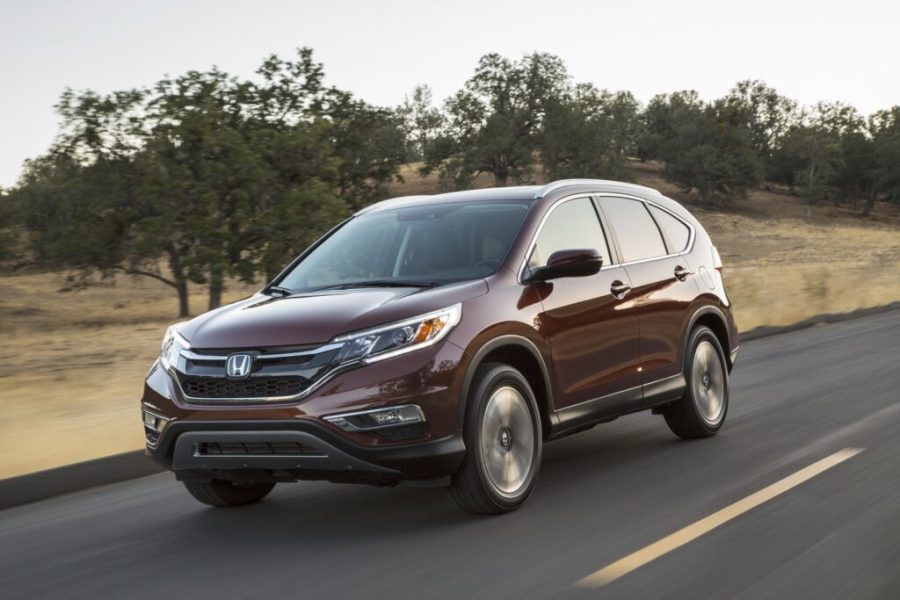 In the following sections, we will delve deeper into the specific model years of the Honda CR-V, highlighting which ones are the best choices and which ones you might want to steer clear of.
Best Years to Buy and Years to Avoid
Best Years to Buy a Honda CR-V
When it comes to the Honda CR-V, certain model years stand out as excellent choices for used car buyers. Based on reliability, customer satisfaction, and overall performance, here are the best years you should consider:
2015 Honda CR-V
The 2015 model year is often praised for its balance of performance, comfort, and technology. Key highlights include:
- Reliability: Owners report fewer mechanical issues compared to other years.
- Fuel Efficiency: The 2015 CR-V offers impressive fuel economy, making it a cost-effective choice for daily driving.
- Safety Features: This model includes advanced safety features and received high safety ratings from the IIHS.
2016 Honda CR-V
The 2016 model builds on the strengths of the 2015 version, with additional features that enhance its appeal:
- Updated Technology: Comes with improved infotainment options and smartphone integration.
- Comfort: The interior is spacious and well-designed, providing a comfortable ride for both drivers and passengers.
- Strong Resale Value: The 2016 model holds its value well, making it a smart investment.
2017 Honda CR-V
The 2017 CR-V marked a significant redesign, introducing a more modern look and feel:
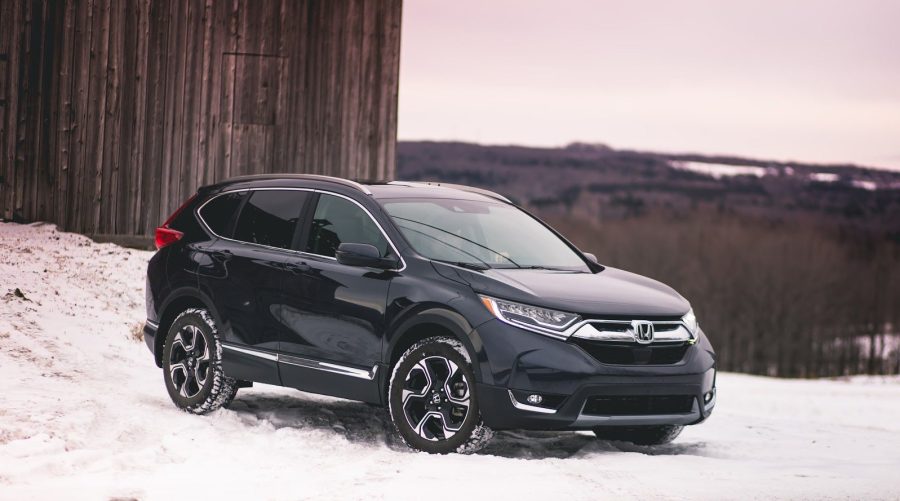
- Enhanced Performance: Offers a more powerful turbocharged engine option without sacrificing fuel efficiency.
- Interior Quality: The materials used in the cabin are of higher quality, giving it a more upscale feel.
- Safety Ratings: This model year received top safety ratings, making it a reliable choice for families.
Worst Years to Avoid
While the Honda CR-V has many strong years, some models have garnered negative feedback from owners. Here are the years you should think twice about before making a purchase:
2007 Honda CR-V
The 2007 model year is often cited as one to avoid due to several recurring issues:
- Transmission Problems: Many owners reported premature transmission failures, leading to costly repairs.
- Engine Issues: Some users experienced problems with the engine stalling or running roughly.
- Interior Quality: Complaints about cheap materials and poor build quality were common among owners.
2008 Honda CR-V
Similar to the 2007 model, the 2008 CR-V suffers from many of the same issues:
- Transmission Failures: The transmission problems persisted, causing frustration and high repair costs.
- Electrical Issues: Owners reported issues with the electrical system, including malfunctioning lights and power windows.
- Overall Reliability: This year saw a dip in reliability ratings compared to other models.
2010 Honda CR-V
The 2010 model year is another one to be cautious about:
- Oil Consumption: Many owners reported excessive oil consumption, leading to engine wear over time.
- Suspension Problems: Issues with the suspension system were frequently noted, affecting ride quality.
- Resale Value: This model year tends to depreciate faster than others, impacting its long-term value.
2012 Honda CR-V
The 2012 CR-V, while popular, has its share of problems that potential buyers should be aware of:
- Transmission Issues: Similar transmission problems as earlier models continued to plague this year.
- Interior Noise: Owners reported higher levels of road noise, making for a less comfortable ride.
- Fuel Economy: Some users found the fuel economy to be below expectations compared to competitors.
By keeping these best and worst years in mind, you can make a more informed decision when shopping for a used Honda CR-V. Understanding the strengths and weaknesses of each model year can help you avoid costly repairs and ensure you get a reliable vehicle.
Facts About Honda CR-V Best and Worst Years to Avoid
Reliability Rankings
When evaluating the Honda CR-V, reliability is a key factor for potential buyers. Various sources, including Consumer Reports and J.D. Power, provide insights into the reliability of different model years. Here’s a summary of the reliability rankings for the best and worst years:
- Best Years:
- 2015: Ranked among the top compact SUVs for reliability.
- 2016: High reliability scores, with minimal reported issues.
- 2017: Excellent reliability, praised for its performance and durability.
- Worst Years:
- 2007: Noted for significant transmission problems and lower reliability scores.
- 2008: Continued issues from the previous year, affecting overall reliability.
- 2010: Reports of excessive oil consumption impacted reliability ratings.
Real Ownership Costs
Understanding the real ownership costs of a vehicle is crucial for budgeting. The Honda CR-V is generally known for its affordability in terms of maintenance and repair. However, some model years have higher ownership costs due to frequent repairs and issues. Here’s a breakdown based on user feedback:
- Best Years:
- 2015: Owners report low maintenance costs and high satisfaction.
- 2016: Minimal repair costs, with many owners enjoying trouble-free driving.
- 2017: Generally low ownership costs, with high reliability leading to fewer repairs.
- Worst Years:
- 2007: High repair costs due to transmission failures, with some owners facing bills over $3,000.
- 2008: Similar issues as the 2007 model, leading to increased ownership costs.
- 2010: Reports of excessive oil consumption led to costly repairs and maintenance.
User Feedback & Forum Consensus
A look at various automotive forums reveals a consensus among owners regarding their experiences with different model years. Here’s a summary of what owners commonly say:
| Model Year | Owner Feedback |
|---|---|
| 2015 | Highly reliable, great fuel economy, minimal issues reported. |
| 2016 | Excellent technology features, low maintenance costs, very satisfied owners. |
| 2017 | Great performance, spacious interior, few complaints. |
| 2007 | Frequent transmission issues, costly repairs, many owners regret the purchase. |
| 2008 | Similar transmission problems, electrical issues reported, not recommended. |
| 2010 | Excessive oil consumption, high repair costs, mixed reviews. |
By considering these facts and user experiences, potential buyers can make a more informed decision when looking for a used Honda CR-V. The reliability rankings and real ownership costs provide a clearer picture of what to expect from each model year.
0 Comments