Best Ford Raptor Year: What You Need to Know
Contents
Best Ford Raptor Year: An Overview
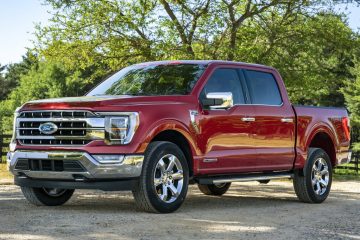
The Ford Raptor has earned a solid reputation among truck enthusiasts and off-road aficionados alike. Designed primarily for high-performance off-road driving, the Raptor combines rugged capability with a bold aesthetic. It’s not just a truck; it’s a statement. From its aggressive stance to its powerful engine options, the Raptor is built to tackle challenging terrains while providing a comfortable ride on the highway.
Why Model Year Matters
When considering a used Ford Raptor, the model year is crucial for several reasons:
- Costly Repairs: Different model years may have varying reliability records. Some years are known for specific issues that can lead to expensive repairs down the line. Knowing which year to avoid can save you a lot of money.
- Resale Value: Certain model years tend to hold their value better than others. If you plan to sell or trade in your Raptor in the future, understanding which years are more desirable can impact your financial return.
- Features and Upgrades: Each model year may come with different features, technology, and performance enhancements. Buyers often seek specific capabilities that may only be available in certain years.
Common Reasons for Searching Best Ford Raptor Year
Many potential buyers find themselves asking about the best Ford Raptor year due to:
- Performance Concerns: Some years have been reported to deliver better performance, whether in terms of acceleration, handling, or off-road capabilities.
- Owner Feedback: Real user experiences can highlight which years have been more reliable and enjoyable, influencing buyer decisions.
- Safety Ratings: While safety is not the main focus here, it’s worth noting that some model years have received better ratings than others, which can be a deciding factor for some buyers.
In summary, knowing the best Ford Raptor year can significantly impact your buying experience. It helps you avoid pitfalls associated with unreliable models, ensures you get the features you want, and can even affect your financial investment in the long run.
Best Years to Buy and Years to Avoid
Best Years to Buy
When it comes to selecting the best Ford Raptor years, a few standout models have consistently received positive feedback from owners and mechanics alike. Here’s a breakdown of the top contenders:
2017 Ford Raptor
The 2017 model is often regarded as one of the best years for the Raptor. It introduced a new aluminum body, which significantly reduced weight without sacrificing strength. This year also saw:
- Improved Performance: The 3.5L EcoBoost V6 engine provided robust power while maintaining better fuel efficiency compared to previous V8 options.
- Advanced Technology: Features like adaptive cruise control and a high-quality infotainment system made it a favorite among tech-savvy drivers.
- Enhanced Off-Road Capability: The Terrain Management System allowed drivers to tackle various terrains with ease.
2018 Ford Raptor
The 2018 model built upon the success of its predecessor. It maintained the same powerful engine but offered several refinements:
- Improved Ride Quality: Enhancements to the suspension system provided a smoother ride both on and off-road.
- Safety Features: Additional safety technologies were introduced, including forward collision warning and automatic emergency braking.
- Customization Options: More trim and package options allowed buyers to tailor their Raptors to fit their specific needs.
2020 Ford Raptor
The 2020 model continued to impress with its blend of power and technology. Key highlights include:
- Powerful Engine: The 3.5L EcoBoost engine remained a favorite, delivering impressive torque and horsepower.
- Updated Infotainment: The SYNC 4 system offered improved connectivity and user experience.
- Durability: Owners reported fewer issues with reliability compared to earlier models.
Years to Avoid
While the Ford Raptor has many strong years, some models have garnered negative feedback and are best avoided. Here are the years that have raised red flags:
2010 Ford Raptor
The 2010 model was the first generation of the Raptor and, while it set the stage for future models, it had its share of issues:
- Transmission Problems: Many owners reported transmission failures, which can lead to costly repairs.
- Fuel Economy: The V8 engine was powerful but notoriously thirsty, leading to dissatisfaction among owners looking for efficiency.
- Interior Quality: Compared to later models, the interior materials felt less refined and durable.
2011 Ford Raptor
The 2011 model continued some of the same issues from 2010:
- Reliability Concerns: Owners reported ongoing transmission issues and electrical problems.
- Less Advanced Technology: The infotainment system was outdated compared to newer models, lacking features that many buyers now expect.
2019 Ford Raptor
The 2019 model had its strengths but was also criticized for certain shortcomings:
- Price Point: Many felt that the price was too high for the features offered, especially when compared to the 2018 model.
- Limited Availability: Some buyers reported difficulty in finding specific trims or options, leading to frustration.
- Performance Issues: A few owners noted that the performance didn’t meet their expectations, especially in off-road conditions.
Understanding which years to consider and which to avoid can make a significant difference in your buying experience. Whether you’re looking for a reliable workhorse or an off-road adventure vehicle, knowing the strengths and weaknesses of each model year will help you make an informed decision.
Facts About the Best Ford Raptor Year
Reliability Rankings
Reliability is a crucial factor when considering any vehicle, especially a high-performance truck like the Ford Raptor. Various automotive sources and consumer reports have ranked the Raptor based on owner feedback and mechanical reliability. The 2017 model year consistently ranks at the top, often receiving high marks for:
- Dependability: Many sources, including J.D. Power and Consumer Reports, have rated the 2017 Raptor highly for dependability, with few reported issues.
- Owner Satisfaction: Surveys indicate that owners of the 2017 Raptor express high levels of satisfaction, particularly regarding its off-road capabilities and comfort.
Real Ownership Costs
Understanding the real ownership costs can help potential buyers gauge the financial implications of owning a Ford Raptor. The following factors are commonly discussed in forums and owner reviews:
- Maintenance Costs: Owners report that maintenance costs for the 2017 model are reasonable compared to other trucks in its class.
- Fuel Economy: While not the most fuel-efficient vehicle, the 2017 Raptor’s EcoBoost engine offers better mileage than previous V8 models.
- Insurance Rates: Insurance premiums for the 2017 Raptor are generally competitive, but they can vary based on driving history and location.
User Feedback & Forum Consensus
Real-world owner feedback can provide valuable insights into the strengths and weaknesses of the Raptor. Below is a summary table of common sentiments expressed by Raptor owners across various forums:
| Aspect | Positive Feedback | Negative Feedback |
|---|---|---|
| Performance | Exceptional off-road capabilities; powerful acceleration. | Some owners wish for even more horsepower. |
| Comfort | Spacious interior; comfortable seating for long drives. | Rear seat space can feel cramped for taller passengers. |
| Technology | Advanced infotainment system; user-friendly controls. | Some features can be glitchy; updates are sometimes slow. |
| Reliability | High reliability ratings; few major issues reported. | Some minor electrical issues noted by a small percentage of owners. |
| Resale Value | Holds value well; desirable in the used market. | Initial purchase price can be steep for some buyers. |
Overall, the consensus among owners suggests that the 2017 Ford Raptor is a well-rounded truck that balances performance, comfort, and reliability. While there are always some drawbacks, the positives tend to outweigh the negatives, making it a preferred choice among enthusiasts and everyday drivers alike.
0 Comments