Best Ford F-150 Years: A Comprehensive Guide
Contents
Best Ford F-150 Years: An Overview
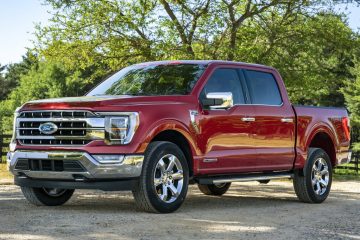
The Ford F-150 has long been a staple in the truck market, known for its durability, versatility, and capability. As one of the best-selling vehicles in the United States, the F-150 has built a reputation that attracts both workhorse enthusiasts and everyday drivers alike. Whether you need a truck for heavy-duty tasks or just want a reliable vehicle for daily commuting, the F-150 has options that cater to various needs.
Why Model Year Matters
When considering a used Ford F-150, the model year can significantly impact your purchase decision. Here’s why:
- Costly Repairs: Some model years have been notorious for specific issues. Knowing which years to avoid can save you from unexpected repair bills.
- Resale Value: Certain years hold their value better than others. If you plan to sell your truck down the line, it’s smart to choose a model year that retains its worth.
- Features and Upgrades: Each model year typically introduces new features or improvements. Understanding these changes can help you select a truck that meets your needs without overspending.
Common Reasons for Researching Best Years
Many people search for the best years of the Ford F-150 for several reasons:
- Reliability: Buyers want to know which years have proven to be the most reliable, minimizing the risk of breakdowns.
- Performance: Certain years may offer better performance, whether it’s towing capacity, fuel efficiency, or engine options.
- Safety Ratings: While safety is not the main focus here, it’s worth noting that some years have better safety ratings, which can be a deciding factor for families.
In summary, understanding the best years for the Ford F-150 is crucial for making an informed purchase. It can help you avoid pitfalls and ensure you invest in a truck that meets your expectations.
Best Years to Buy and Years to Avoid
When it comes to the Ford F-150, not all model years are created equal. Some years shine with reliability and performance, while others can lead to headaches and costly repairs. Here’s a breakdown of the best years to consider and the ones you might want to steer clear of.
Best Years to Buy
The following model years have received high praise from both owners and mechanics alike, making them solid choices for anyone in the market for a used F-150.
2015 Ford F-150
- Aluminum Body: This year marked a significant shift with the introduction of an aluminum body, improving fuel efficiency without sacrificing strength.
- Engine Options: The 2015 model offered a range of engines, including a turbocharged V6 that provided excellent power and towing capacity.
- High Safety Ratings: This model received top safety ratings, making it a reliable choice for families.
2017 Ford F-150
- Improved Technology: The 2017 model came with updated tech features, including an intuitive infotainment system and advanced driver assistance options.
- Variety of Trims: With multiple trims available, buyers could easily find a configuration that suited their needs.
- Strong Resale Value: This year has maintained its value well in the used market.
2020 Ford F-150
- Enhanced Performance: The 2020 model featured improved engine options and better fuel efficiency.
- Comfort and Interior Quality: Owners praised the comfortable ride and high-quality materials used in the cabin.
- Advanced Safety Features: This model year included several safety upgrades, making it a smart choice for safety-conscious buyers.
Years to Avoid
While some years are gems, others can be a nightmare. Here are the model years you should think twice about before making a purchase.
2004 Ford F-150
- Transmission Issues: Many owners reported significant transmission problems, leading to costly repairs.
- Fuel Economy: This model struggled with fuel efficiency, which can be a dealbreaker for many buyers.
2006 Ford F-150
- Electrical Problems: This year was known for various electrical issues that could lead to frustrating malfunctions.
- Rust Issues: Owners reported premature rusting, particularly in areas with harsh winters.
2010 Ford F-150
- Engine Problems: The 2010 model had a reputation for engine failures, particularly with the 5.4L V8.
- Brake Issues: Some models experienced brake problems, which can be a serious safety concern.
2011 Ford F-150
- Transmission Failures: Similar to the 2004 model, the 2011 F-150 had reports of transmission issues that could lead to expensive repairs.
- Interior Quality: Many owners found the interior materials to be subpar compared to competitors.
In summary, knowing the best and worst years for the Ford F-150 can save you time, money, and frustration. When you’re in the market for a used truck, do your homework and consider these insights to make a more informed decision.
Facts About the Best Ford F-150 Years
When considering the best years for the Ford F-150, it’s essential to look beyond just the specifications. Real ownership costs, reliability rankings, and user feedback provide valuable insights into what you can expect from these trucks. Here’s a closer look at the data and opinions that shape the reputation of the top F-150 years.
Reliability Rankings
Reliability is a crucial factor when choosing a used vehicle. The Ford F-150 has consistently performed well in various reliability rankings. Here are some notable statistics:
- 2015 Ford F-150: Ranked in the top 10 of its class by J.D. Power for reliability, with a score of 4.5 out of 5.
- 2017 Ford F-150: Received a reliability rating of 4.6 out of 5 from Consumer Reports, making it one of the most dependable trucks on the market.
- 2020 Ford F-150: Maintained high reliability scores with a 4.5 out of 5 rating from various automotive review sites.
Real Ownership Costs
Understanding the real ownership costs associated with the Ford F-150 can help you make a more informed decision. Here’s what owners commonly report:
- Maintenance Costs: The average annual maintenance cost for the 2015 and 2017 models is around $600, which is competitive for full-size trucks.
- Fuel Economy: Owners of the 2015 model report an average of 20-22 MPG, while the 2017 model averages around 19-21 MPG, depending on the engine.
- Insurance Costs: Insurance premiums for these models typically range from $1,200 to $1,500 annually, depending on factors like location and driver history.
User Feedback & Forum Consensus
Owners often share their experiences in online forums, providing a wealth of information about the best years for the F-150. Here’s a summary of common feedback:
| Model Year | Common Praise | Common Complaints |
|---|---|---|
| 2015 |
|
|
| 2017 |
|
|
| 2020 |
|
|
In forums, owners frequently emphasize the value these trucks provide in terms of performance, comfort, and reliability. However, they also caution potential buyers about the premium price tags associated with higher trims and the occasional minor issues that can arise. Overall, the consensus is that the best years for the Ford F-150 offer a solid investment for both work and personal use.
0 Comments