Best and Worst Subaru Forester Years Explained
Contents
Best and Worst Subaru Forester Years
Introduction to the Subaru Forester
The Subaru Forester has built a solid reputation as a reliable compact SUV known for its all-wheel-drive capabilities, spacious interior, and versatility. Since its debut in the late 1990s, it has attracted a loyal following among outdoor enthusiasts and families alike. The Forester is often praised for its practicality and safety features, making it a popular choice for those seeking a dependable vehicle for daily commutes and weekend adventures.
Why Model Year Matters
When considering a used Subaru Forester, the model year is crucial for several reasons:
- Costly Repairs: Different model years have varying reliability records. Some years are notorious for specific mechanical issues that can lead to expensive repairs. Knowing which years to avoid can save you significant money in the long run.
- Resale Value: The resale value of a vehicle can fluctuate based on its model year. Certain years may hold their value better than others, impacting your investment if you plan to sell or trade in the vehicle later.
- Features and Updates: Subaru often makes improvements and updates to the Forester each model year. Understanding these changes can help you choose a model that meets your needs, whether you prioritize technology, safety, or fuel efficiency.
Common Reasons for Research
Many potential buyers search for the best and worst Subaru Forester years due to:
- Concerns about reliability and the potential for frequent repairs.
- Interest in finding a model that offers the best value for their budget.
- Desire to avoid models with known issues that could affect performance and safety.
Being informed about the best and worst years can help you make a more educated decision when purchasing a used Subaru Forester, ensuring that you choose a vehicle that aligns with your expectations and lifestyle.
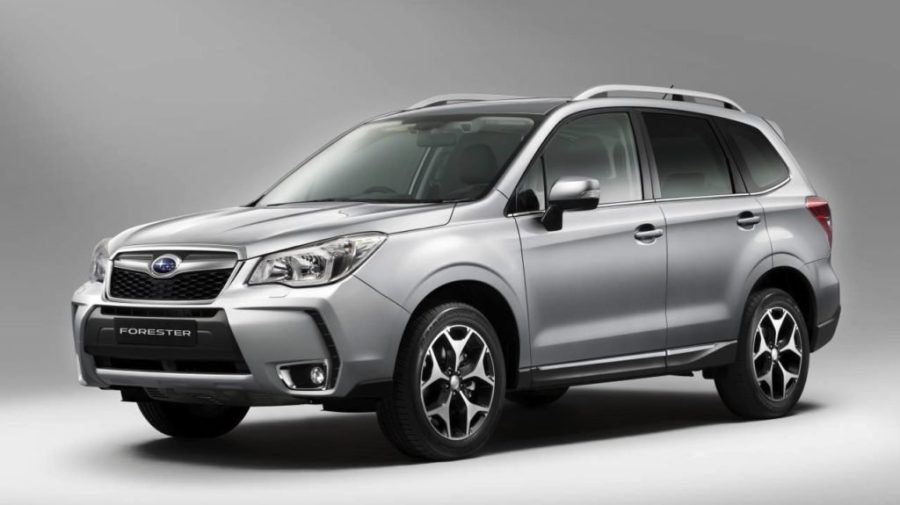
Best Years to Buy and Years to Avoid (Worst Years)
Best Years to Buy
When looking for a used Subaru Forester, certain model years stand out for their reliability, performance, and overall owner satisfaction. Here are some of the best years to consider:
2016 Subaru Forester
The 2016 model year is often praised for its balanced performance and spacious interior. Key highlights include:
- Reliability: This year has a strong reputation for reliability, with fewer reported issues compared to other years.
- Safety Features: Equipped with advanced safety technologies, including EyeSight Driver Assist, which enhances safety on the road.
- Fuel Efficiency: Offers good fuel economy for an SUV, making it a practical choice for daily driving.
2014 Subaru Forester
The 2014 model year marked a significant redesign, leading to improvements in comfort and technology. Notable aspects include:
- Interior Space: Increased cargo space and rear passenger room, making it ideal for families and outdoor activities.
- All-Wheel Drive: Standard all-wheel-drive system provides excellent traction in various conditions.
- Positive Owner Feedback: Many owners report high satisfaction levels with this model year.
2019 Subaru Forester
The 2019 model year introduced a complete redesign, bringing modern features and enhanced performance. Key points include:

- Updated Technology: Comes with a larger touchscreen and improved infotainment system, making it more user-friendly.
- Enhanced Safety: Features like adaptive cruise control and lane-keeping assist are standard, adding to its safety credentials.
- Spacious Cabin: Continues the trend of providing ample space for passengers and cargo.
Years to Avoid (Worst Years)
While the Subaru Forester has many strong years, some model years have garnered negative attention due to reliability issues and owner complaints. Here are the years to approach with caution:
2015 Subaru Forester
The 2015 model year has been reported to have several issues that can be problematic. Noteworthy concerns include:
- CVT Problems: Many owners have reported issues with the continuously variable transmission (CVT), leading to costly repairs.
- Engine Issues: Some users have experienced engine performance problems, including stalling and excessive oil consumption.
- Less Favorable Reviews: Compared to other years, this model has received more negative feedback from owners.
2009 Subaru Forester
The 2009 model year is often cited as one to avoid due to various mechanical problems. Key issues include:
- Head Gasket Failures: A common issue for this year, leading to expensive repairs and potential engine damage.
- Suspension Problems: Reports of premature wear on suspension components, affecting ride quality and handling.
- Electrical Issues: Some owners have faced electrical gremlins that can be frustrating to diagnose and repair.
2003 Subaru Forester
The 2003 model year is another one to steer clear of, primarily due to reliability concerns. Important points include:
- Transmission Failures: Many owners have reported issues with the automatic transmission, leading to costly replacements.
- Fuel System Problems: Issues with the fuel system can lead to poor performance and increased repair costs.
- Overall Reliability: This year has a reputation for being less dependable compared to its successors.
By being aware of the best and worst years for the Subaru Forester, you can make a more informed decision when purchasing a used vehicle, ensuring that you choose a model that meets your needs and expectations.
Facts About Best and Worst Subaru Forester Years
Reliability Rankings
When it comes to reliability, various sources have ranked the Subaru Forester over the years. Here are some insights based on statistical data and authoritative sources:
- Consumer Reports: The 2016 and 2019 models consistently receive high reliability ratings, often scoring above average in owner satisfaction surveys.
- J.D. Power: The 2014 and 2016 models have received commendable ratings for dependability, with J.D. Power noting fewer reported issues than other years.
- CarComplaints.com: This site highlights the 2015 and 2009 models as having significant complaints, particularly regarding transmission and engine problems.
Real Ownership Costs
Understanding the real ownership costs of a vehicle is essential for potential buyers. Here’s a breakdown of average maintenance costs and common issues reported by owners:
- 2016 Subaru Forester: Average annual maintenance costs are around $500, with few major repairs reported.
- 2014 Subaru Forester: Owners report maintenance costs of about $450 per year, with high satisfaction ratings for reliability.
- 2015 Subaru Forester: Average annual costs can reach $800 due to transmission-related repairs, making it one of the more expensive years to maintain.
- 2009 Subaru Forester: Maintenance costs can exceed $600 per year, primarily due to head gasket and suspension issues.
User Feedback & Forum Consensus
To provide a clearer picture of owner experiences, here’s a summary of what Subaru Forester owners commonly discuss in forums:
| Model Year | Common Feedback | Owner Satisfaction |
|---|---|---|
| 2016 | Reliable, spacious, good fuel economy. | High |
| 2014 | Comfortable ride, excellent safety features. | High |
| 2015 | Transmission issues, expensive repairs. | Low |
| 2009 | Head gasket failures, suspension problems. | Low |
| 2003 | Transmission failures, high maintenance costs. | Very Low |
This table reflects the consensus among Subaru Forester owners, providing valuable insights into the experiences and satisfaction levels associated with different model years. By considering these factors, potential buyers can make informed decisions about which Subaru Forester models to pursue or avoid.
0 Comments